

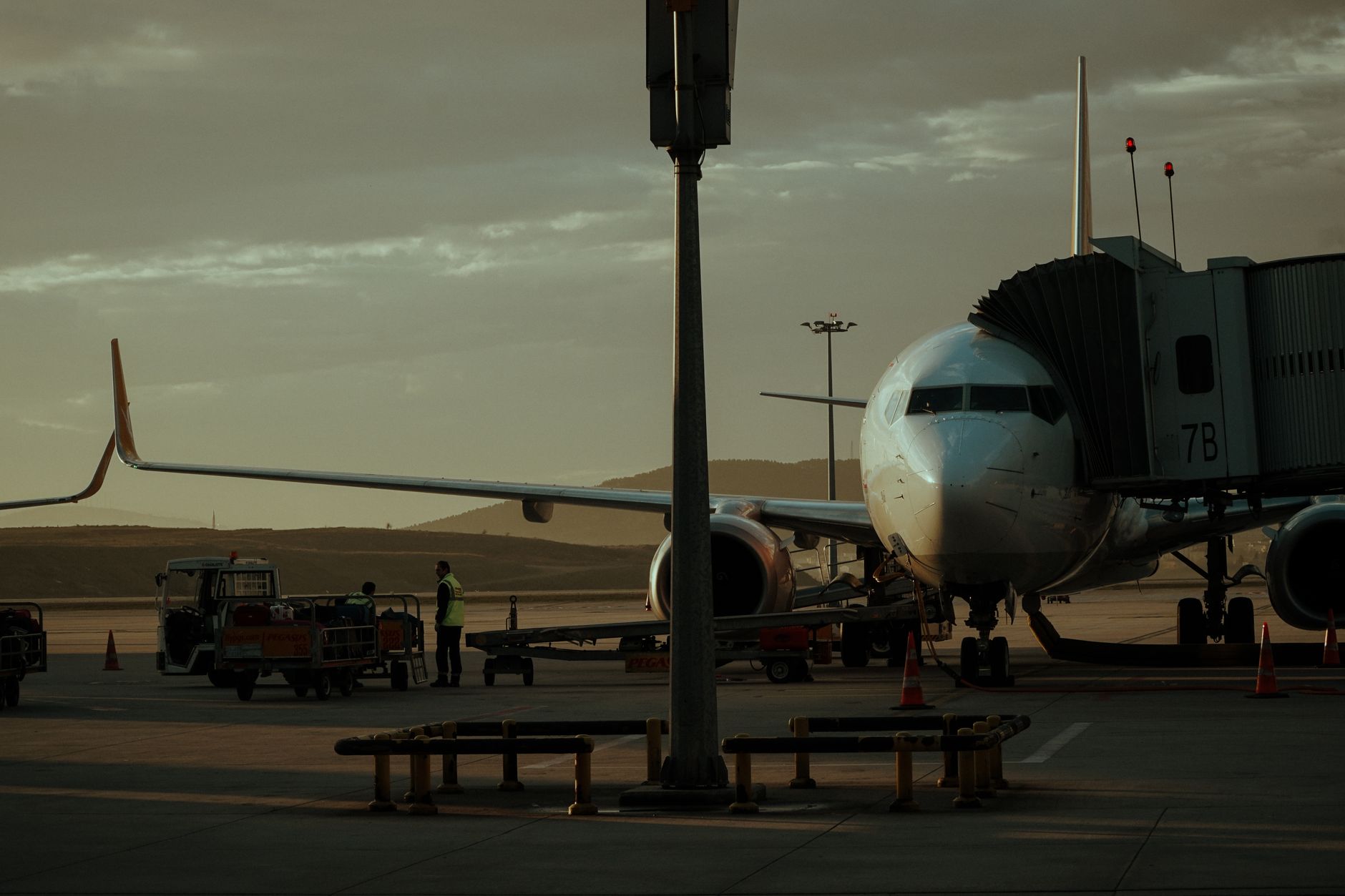
Indian exporters face rising air freight costs to the Middle East, impacting trade lanes and supply chains.
Introduction to Air Freight Costs for Indian Exporters
Indian exporters are facing rising air freight costs to the Middle East, which is impacting trade lanes and supply chains. The cost of air freight has increased significantly over the past year, with rates rising by up to 20% due to high demand and limited capacity. This increase in costs is affecting the competitiveness of Indian exporters in the global market.
According to a report by Air Cargo News, the air freight market is expected to continue growing, with demand for air cargo services increasing by 4% in 2026. However, the growth in demand is outpacing the growth in capacity, leading to higher rates and increased costs for exporters.
Factors Affecting Air Freight Costs
There are several factors that are contributing to the increase in air freight costs for Indian exporters. Some of the key factors include:
- High demand for air cargo services, particularly on routes to the Middle East and Europe
- Limited capacity, with many airlines operating at full capacity and unable to meet demand
- Increased fuel costs, which are being passed on to exporters in the form of higher rates
- Security and regulatory requirements, which are adding to the cost of air freight services
- Infrastructure constraints, including limited airport capacity and inefficient customs procedures
These factors are all contributing to higher costs for Indian exporters, making it more challenging for them to compete in the global market.
Impact on Trade Lanes and Supply Chains
The increase in air freight costs is having a significant impact on trade lanes and supply chains. Exporters are having to absorb the increased costs, which is affecting their profitability and competitiveness. Some exporters are also having to consider alternative modes of transport, such as sea freight, which can be slower but may be more cost-effective.
According to a report by Xeneta, the air freight market is expected to continue to be volatile, with rates and demand fluctuating in response to changes in the global economy. This volatility is making it challenging for exporters to predict and plan for their air freight needs, adding to the complexity and cost of their supply chains.
Regulatory and Compliance Requirements
Indian exporters must comply with a range of regulatory and compliance requirements when shipping goods by air to the Middle East. These requirements include:
- Obtaining the necessary permits and licenses to export goods
- Complying with customs regulations and procedures
- Meeting security and safety requirements, including screening and inspection of cargo
- Ensuring compliance with international regulations, such as those related to the transportation of hazardous materials
Failure to comply with these requirements can result in delays, fines, and other penalties, adding to the cost and complexity of air freight services.
Practical Guidance for Exporters
To minimize the impact of rising air freight costs, Indian exporters should consider the following strategies:
- Optimizing their supply chains to reduce the need for air freight services
- Negotiating with airlines and freight forwarders to secure the best possible rates
- Considering alternative modes of transport, such as sea freight or rail freight
- Investing in logistics and supply chain management systems to improve efficiency and reduce costs
By taking a proactive and strategic approach to managing their air freight needs, Indian exporters can reduce their costs and improve their competitiveness in the global market.
Did you know that air freight rates can vary significantly depending on the route and the time of year? By working with a experienced freight forwarder, such as Oceanic Express LLP, you can secure the best possible rates and minimize your air freight costs.
Outlook and Future Trends
The air freight market is expected to continue growing, with demand for air cargo services increasing by 4% in 2026. However, the growth in demand is outpacing the growth in capacity, leading to higher rates and increased costs for exporters.
To stay ahead of the competition, Indian exporters must be proactive and strategic in their approach to managing their air freight needs. This includes investing in logistics and supply chain management systems, optimizing their supply chains, and negotiating with airlines and freight forwarders to secure the best possible rates.
At Oceanic Express LLP, we have a team of experienced logistics professionals who can help you navigate the complexities of air freight and secure the best possible rates. Contact us today to learn more about our air freight services and how we can help you minimize your costs and improve your competitiveness.
If you are an Indian exporter looking to minimize your air freight costs and improve your competitiveness in the global market, contact Oceanic Express LLP today. Our team of experienced logistics professionals can provide you with expert guidance and support, helping you to navigate the complexities of air freight and secure the best possible rates. Call us now at +91-9830041358 / +91-9831034014 to learn more about our air freight services and how we can help you achieve your business goals.