

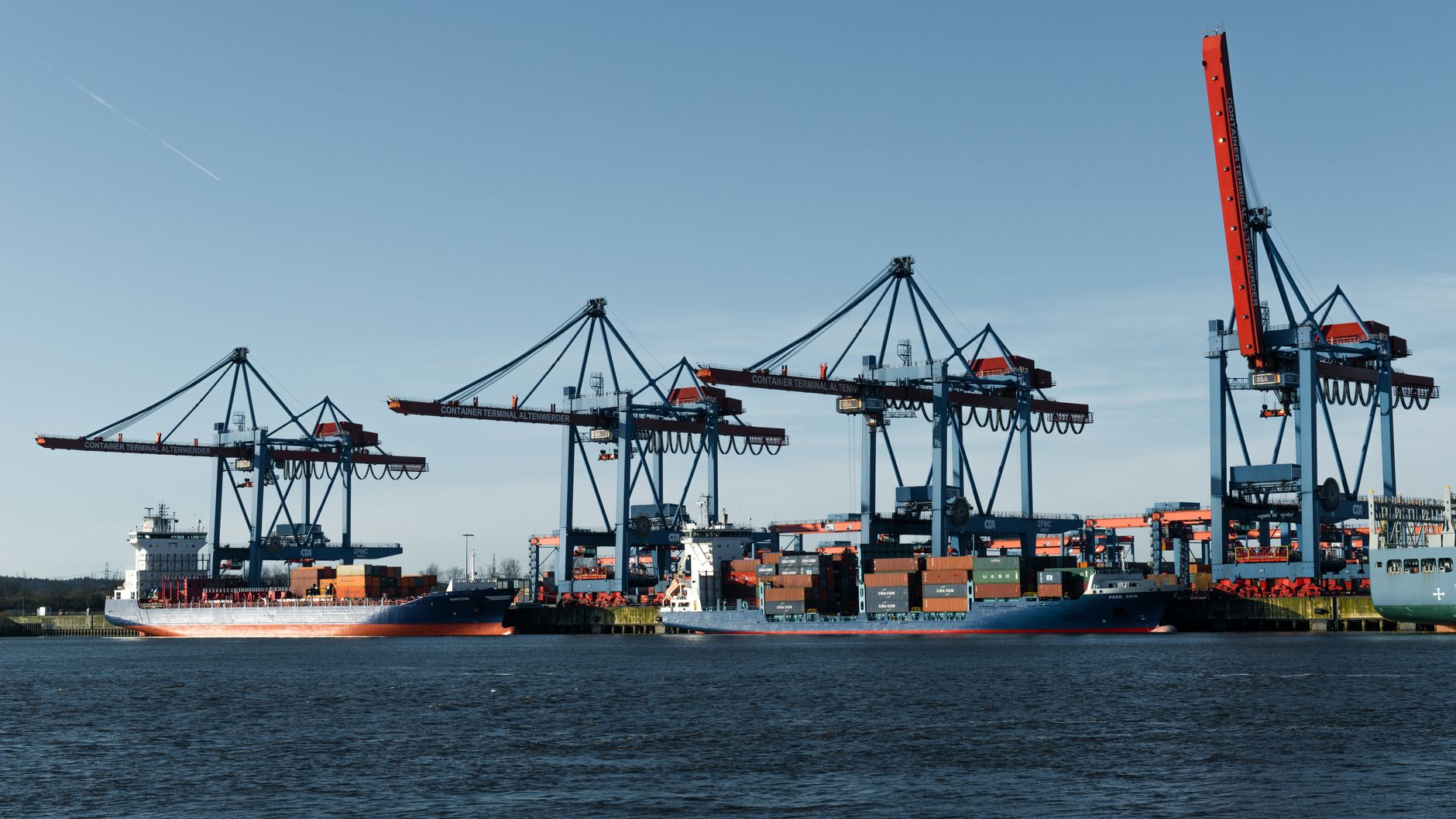
Rising berth utilisation and delayed vessels expose how cost‑centric strategies have left the container shipping ecosystem vulnerable to unprecedented port congestion worldwide.
Why Cost‑Centric Strategies Have Eroded Resilience
Our team at Oceanic Express LLP has closely monitored the latest Drewry report, which confirms that the container shipping system is increasingly vulnerable to port congestion. Over the past decade, terminals and carriers have prioritised cost optimisation—tightening berth utilisation, trimming spare capacity, and deferring capital investment—instead of building buffers that can absorb shocks.
Key Metrics: Waiting Times and Port Dwell
Drewry’s data shows that global average vessel waiting times have nearly doubled when comparing the first seven months of 2019 with the same period in 2024. Moreover, the average time a vessel spends in port has risen by 31%, with a larger share now spent waiting for a berth rather than being actively worked on.
Record Congestion Levels Across the Globe
According to Splash Ports, more than 4.3 million TEU of containership capacity is currently queued for berths worldwide—surpassing the peak recorded during the COVID‑19 era. This unprecedented backlog is a clear symptom of “burst congestion,” where delayed vessels arrive in clusters and overwhelm terminals that would otherwise have sufficient capacity.
Industry Voices on the Root Causes
Maersk CEO Vincent Clerc attributes the current crisis to roughly fifteen years of insufficient terminal investment following the global financial crisis. He points to Europe, South America’s east coast, West Africa, and the Middle East as regions where the lag in capacity expansion is most evident.
World Bank ports lead Jan Hoffmann echoed this sentiment, warning that future investment must keep pace with demand, especially as heightened uncertainty raises the required returns for investors.
Nuanced Findings from Drewry
Drewry’s analysis of nine major container ports reveals a 21% increase in capacity between 2019 and 2026, yet volumes have grown 28% in the same period. Terminal operators have responded by pushing utilisation higher to maximise returns, leaving little spare capacity when disruptions occur. Carriers compound the problem through blank sailings, extra loaders, and ad‑hoc voyages that generate sudden spikes in terminal demand.
Case Study: Durban’s Escalating Delays
Durban illustrates how quickly congestion can spiral. Vessels are now waiting eight to twelve days for a berth, with some carriers warning of delays extending to twenty days as disruptions ripple through berth, yard, and landside operations.
What This Means for Shippers and Freight Forwarders
For businesses that rely on timely container movements, the current ecosystem—optimised for cost rather than resilience—poses a strategic risk. As a leading freight forwarder in Kolkata, Oceanic Express LLP advises clients to diversify routing options, engage proactively with terminal operators, and consider contractual clauses that address delay penalties.
Key Takeaways
- Global vessel waiting times have nearly doubled since 2019.
- Port dwell time increased by 31%, with berth waiting now the dominant component.
- Record 4.3 m TEU awaiting berths highlights unprecedented burst congestion.
- High berth utilisation (90%) dramatically extends recovery time after disruptions.
- Insufficient post‑crisis terminal investment is a primary driver of current bottlenecks.
In summary, the container shipping ecosystem is built to optimise cost, not resilience. This structural weakness is now manifesting as widespread port congestion that threatens supply‑chain reliability worldwide.
If you need expert guidance on navigating these challenges, our team at Oceanic Express LLP is ready to help. Contact us today at +91‑9830041358 or +91‑9831034014 to discuss tailored freight solutions that mitigate risk and keep your cargo moving.