

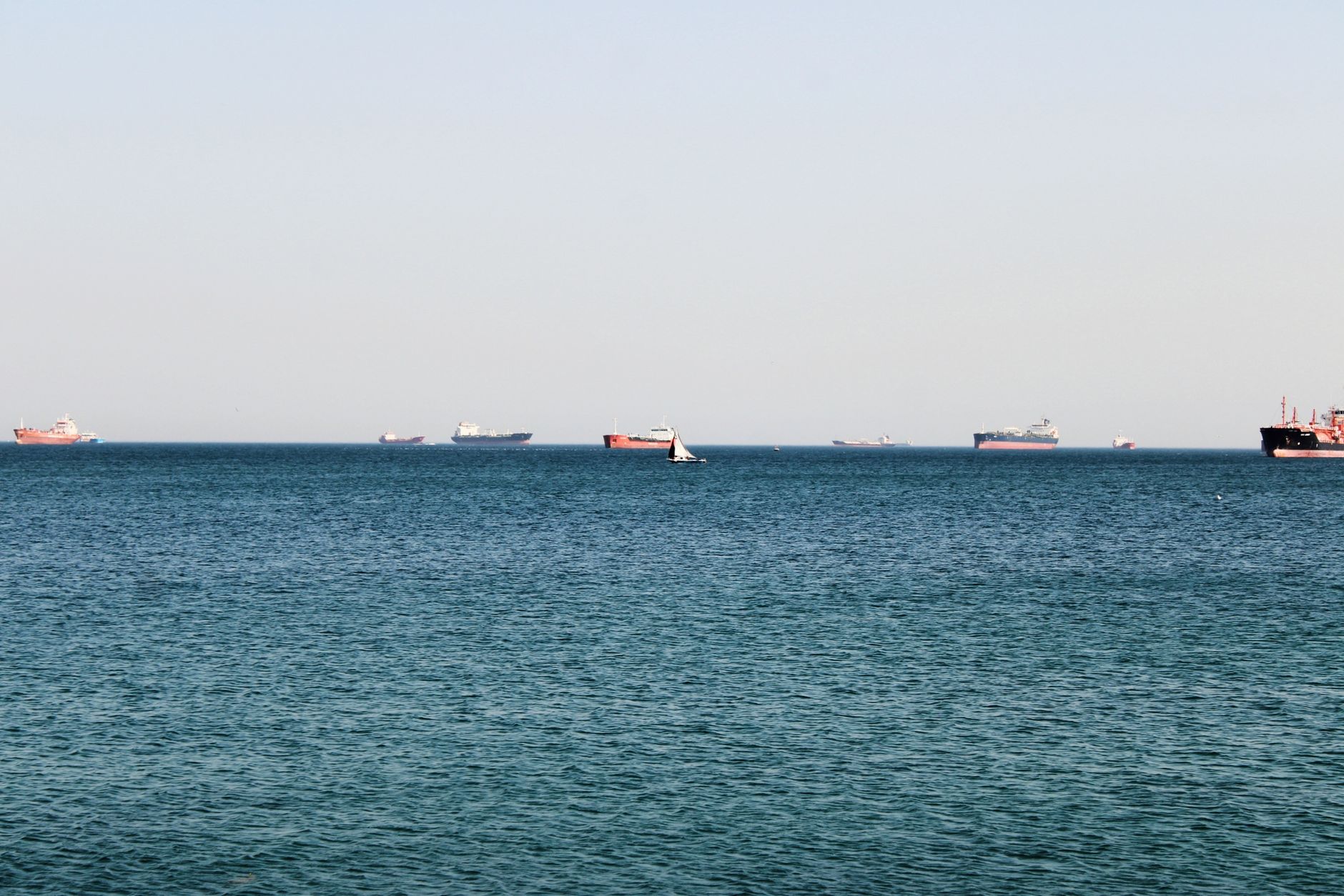
Rising congestion at key Asian terminals is forcing major carriers to revive Red Sea routes, reshaping trade lanes and prompting freight forwarders to adapt quickly.
Why Asian Ports Are Gridlocked
In the first quarter of 2026, container volumes at Shanghai, Ningbo‑Zhoushan, and Busan surged beyond pre‑pandemic levels while labor shortages, equipment imbalances, and stricter customs inspections created bottlenecks. According to SeaTrade Maritime, dwell times at some terminals have risen to 10‑12 days, a stark contrast to the usual 2‑3 days.
Container Lines Re‑Open the Red Sea Corridor
Faced with escalating demurrage costs, major carriers such as Maersk, MSC, and CMA CGM have announced temporary re‑routing of Asia‑Europe services via the Red Sea and the Suez Canal. This strategic shift reduces transit time compared with waiting for slots at congested Asian hubs, albeit at a modest premium for fuel and security.
Implications for Shippers and Freight Forwarders
For Indian exporters and importers, especially those in Kolkata’s thriving logistics ecosystem, the re‑routing presents both challenges and opportunities. While freight rates on the Red Sea lane have risen 8‑12% compared with the traditional Asia‑Europe route, the predictability of sailing schedules offers a competitive edge for time‑sensitive cargo.
- Increased visibility: Real‑time tracking is more reliable on the Red Sea corridor due to fewer port calls.
- Higher fuel surcharges: Vessels must navigate longer distances and occasional security zones.
- Potential for capacity release: Some carriers are freeing up slots in Asia, which could benefit shippers willing to wait.
- Regulatory compliance: Enhanced security checks in the Red Sea region require updated documentation.
How Oceanic Express LLP Is Responding
Our team has already integrated the new routing into our digital freight platform, allowing customers to compare transit times, costs, and carbon footprints side‑by‑side. We are working closely with line agents to secure space on the re‑opened services and to negotiate favorable terms for our Indian clientele.
Looking Ahead: Long‑Term Outlook
Industry analysts expect Asian port congestion to ease by late 2026 as new berths come online and automation projects mature. However, the Red Sea corridor is likely to remain a viable alternative for carriers seeking resilience against future disruptions, whether caused by labor actions, extreme weather, or geopolitical events.
If you need expert guidance on navigating the evolving trade lanes, contact Oceanic Express LLP today. Call us at +91-9830041358 or +91-9831034014 and let our experienced team design a cost‑effective, reliable solution for your cargo.