

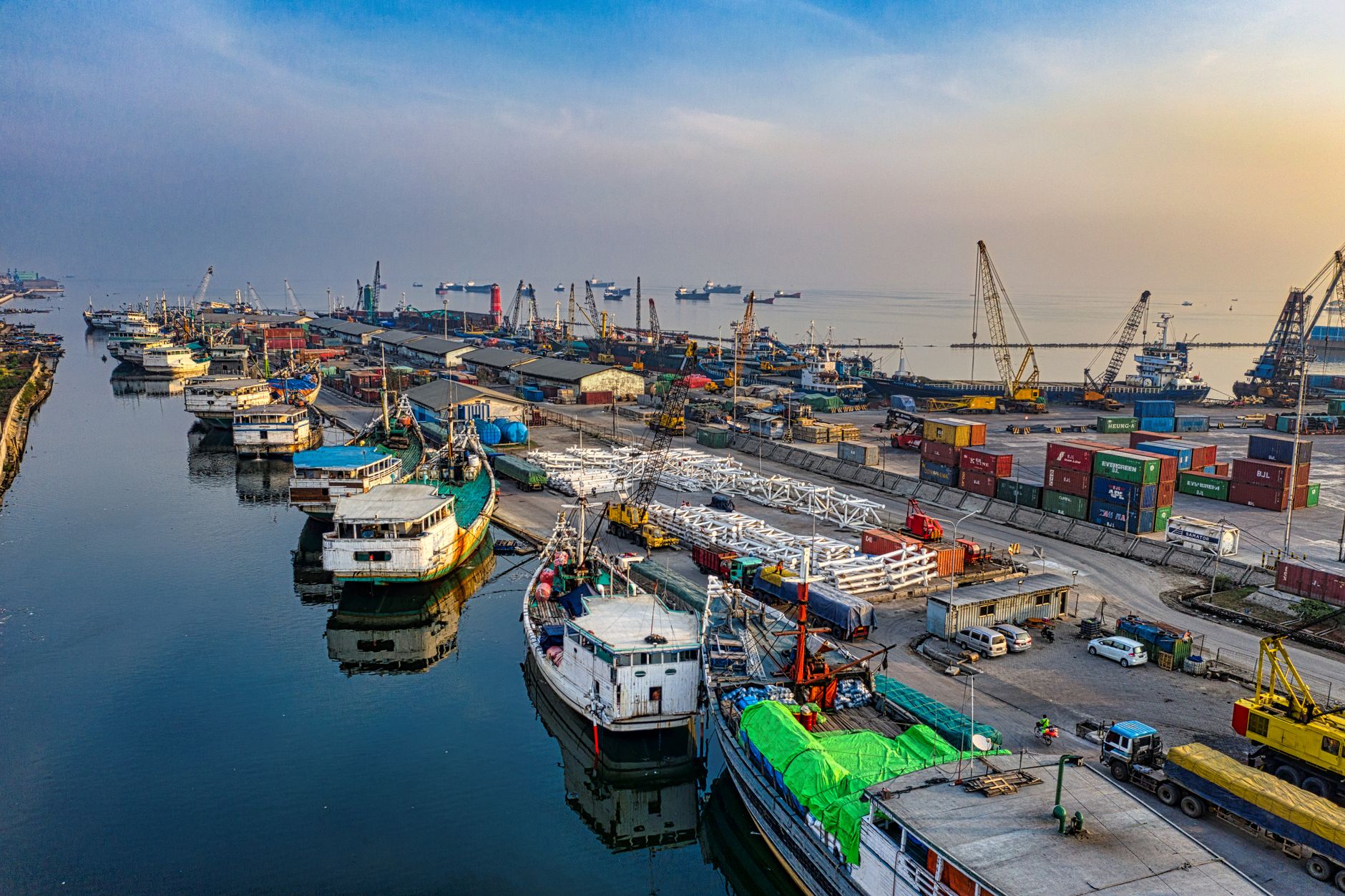
Indian exporters face a 4‑5× jump in freight rates as container shortages, port congestion and soaring bunker fuel prices reshape global shipping dynamics.
Why Freight Rates Have Skyrocketed
Over the past six months, the confluence of three macro‑level shocks has driven freight charges for Indian exporters to unprecedented levels. First, a severe shortage of 40‑foot containers—exacerbated by the lingering effects of the COVID‑19 pandemic and the recent Red Sea crisis—has left shippers competing for a dwindling pool of equipment. Second, major Indian ports such as Kolkata, Haldia and Paradip are experiencing record‑high dwell times, pushing vessels to wait longer and incur higher demurrage. Third, bunker fuel prices have surged past $1,200 per metric ton, a level not seen since 2012, and carriers are passing these costs directly to exporters.
Impact on Indian Exporters
For businesses that rely on timely, cost‑effective ocean freight—textiles, chemicals, engineering goods and seafood—the price shock translates into margin compression and delayed order fulfilment. Many SMEs report that a single 20‑foot container that previously cost INR 45,000 now commands INR 180,000 to INR 225,000, a 4‑5× increase. This volatility is forcing exporters to reconsider supply‑chain strategies, including near‑shoring, air freight alternatives, or renegotiating Incoterms.
Regional Hotspots and Port Congestion
India’s eastern corridor is under particular stress. The Kolkata Port Authority reported an average vessel turnaround time of 48 hours in July 2026, double the normal 24‑hour window. Contributing factors include:
- Insufficient yard space for inbound containers.
- Labor shortages during peak monsoon periods.
- Customs clearance delays linked to new security protocols.
- Limited hinterland connectivity, causing trucks to queue for hours.
These bottlenecks not only inflate freight costs but also increase the risk of cargo damage and spoilage for perishable goods.
What the Industry Is Doing
Carriers are deploying several mitigation measures. Some have introduced “slot‑booking” platforms that allow shippers to reserve container space weeks in advance, reducing last‑minute premium charges. Others are re‑balancing fleet deployments, moving vessels from oversupplied routes in the Atlantic to the high‑demand Asia‑Europe corridor. Additionally, the rise of “slow‑steam” voyages—operating ships at reduced speeds—helps curb bunker consumption, albeit at the expense of longer transit times.
How Oceanic Express LLP Helps You Navigate the Surge
At Oceanic Express LLP, we have built a resilient network that cushions our clients from extreme rate fluctuations. Our strategic alliances with major liner services enable us to secure guaranteed container slots at negotiated rates, even when the market is volatile. We also offer end‑to‑end visibility through our proprietary tracking portal, allowing exporters to anticipate delays and adjust inventory plans proactively.
Our freight‑forwarding experts continuously monitor bunker fuel indices, port congestion dashboards, and container availability metrics. By leveraging this intelligence, we can advise you on the most cost‑effective routing—whether it’s a direct Kolkata‑Rotterdam service or a trans‑shipment via Singapore—tailored to your product’s urgency and budget.
In these turbulent times, partnering with a knowledgeable freight partner is no longer optional; it is essential for preserving competitiveness in global markets.
Ready to protect your supply chain? Contact Oceanic Express LLP today for a customized freight‑rate analysis and real‑time booking support. Call us at +91‑9830041358 or +91‑9831034014, or email [email protected]. Let our team turn today’s challenges into tomorrow’s opportunities.