

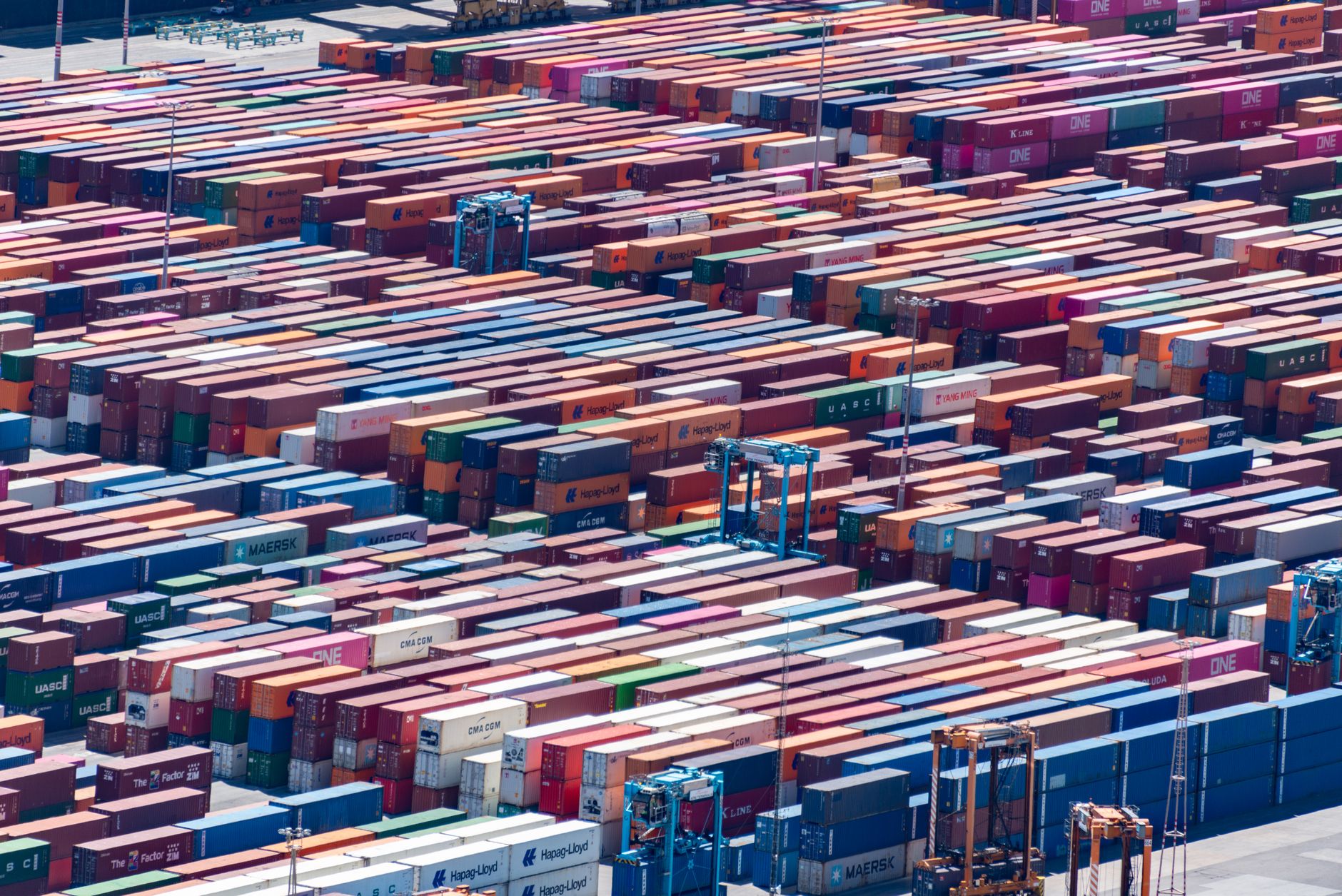
Port congestion now exceeds Covid‑era peaks, pulling 4.3 m TEU off the market and pushing freight and charter rates to new highs across Asia and beyond.
Record‑Breaking Congestion Levels
Our latest monitoring, based on Linerlytica data, shows that more than 4.3 million TEU are now waiting to berth at container ports worldwide. This surpasses the previous absolute peak of 4 million TEU recorded during the height of the Covid‑19 pandemic in the early 2020s, a decade that remains the most profitable in containerisation history.
While the absolute number is higher, the congestion represents 12.6 % of the global fleet of 34.4 million TEU, a lower share than the 15.7 % peak in 2022 when the fleet was only 25.3 million TEU. The relative proportion matters because it highlights how a larger fleet can absorb some pressure, yet the sheer volume of idle capacity still exerts upward pressure on rates.
East Asia: The Epicentre of the Surge
East Asian ports are driving the latest spike. A series of tropical storms battered Chinese coastal facilities, disrupting schedules at Shanghai and Ningbo. Portcast data released this week recorded:
- 139 vessels queued at Shanghai – a level not seen in 2025 or 2026.
- 77 vessels waiting at Ningbo, also a historic high.
- Waiting times at Shanghai’s Yangshan terminals stretching to five‑six days for Gemini services.
- Seven‑eight day delays for other carriers on the same terminals.
These delays translate into a loss of roughly 1.7 million TEU of effective vessel capacity according to Sea‑Intelligence’s methodology. Schedule reliability has slipped to 60‑65 %, and ships now arrive an average of five to five‑and‑a‑half days behind schedule, compared with three to four days before the pandemic.
Freight Rates Feel the Squeeze
The capacity crunch is adding another prop to freight markets already inflated by the Iran‑Ukraine war and widespread liner network disruptions. Benchmarks illustrate the pressure:
- S&P Global’s Platts Container Index reached $7,565 per FEU on August 21 – the highest level this year.
- Analysts cite Asian port delays, space shortages, and Panama Canal constraints as primary drivers.
- Freightos reports congestion as an increasingly decisive factor in rate formation.
- Charter markets are feeling the pinch, with containership tonnage scarce and demand robust.
Panama Canal Constraints Loom
From September, the Panama Canal will further tighten supply. Below‑normal rainfall forces fresh‑water saving measures, reducing daily transit slots:
- Neopanamax slots drop to nine per day starting September 3.
- Overall Panamax availability declines further after September 15.
These reductions will compound the shortage of ships, feeding directly into higher charter rates and tighter spot freight markets.
What This Means for Shippers and Forwarders
For our customers in Kolkata and across India, the confluence of Asian port congestion and Panama Canal constraints means longer transit times, higher freight quotations, and a need for proactive capacity planning. Oceanic Express LLP is closely monitoring vessel rotations, slot availability, and alternative routing options to mitigate the impact on your supply chain.
We recommend:
- Early booking of space on vessels serving East Asian lanes.
- Considering trans‑shipment through less‑congested ports such as Busan or Kaohsiung.
- Utilising our door‑to‑door consolidation services to maximise container utilisation.
- Staying in touch with our logistics team for real‑time updates on Panama Canal slot allocations.
Looking Ahead
While the current congestion levels are unprecedented, industry analysts expect a gradual easing as storm activity subsides and the Panama Canal restores full slot capacity later in the year. Nevertheless, the experience underscores the fragility of global supply chains and the importance of resilient freight strategies.
At Oceanic Express LLP, we remain committed to navigating these challenges for our clients. Our team of seasoned freight specialists is ready to provide tailored solutions, secure capacity, and keep your cargo moving efficiently despite market turbulence.
For detailed advice, rate quotations, or to discuss how we can safeguard your shipments during this period of heightened congestion, contact Oceanic Express LLP today at +91‑9830041358 or +91‑9831034014. Our experts are on standby to help you optimise routes, manage costs, and maintain supply‑chain continuity.