

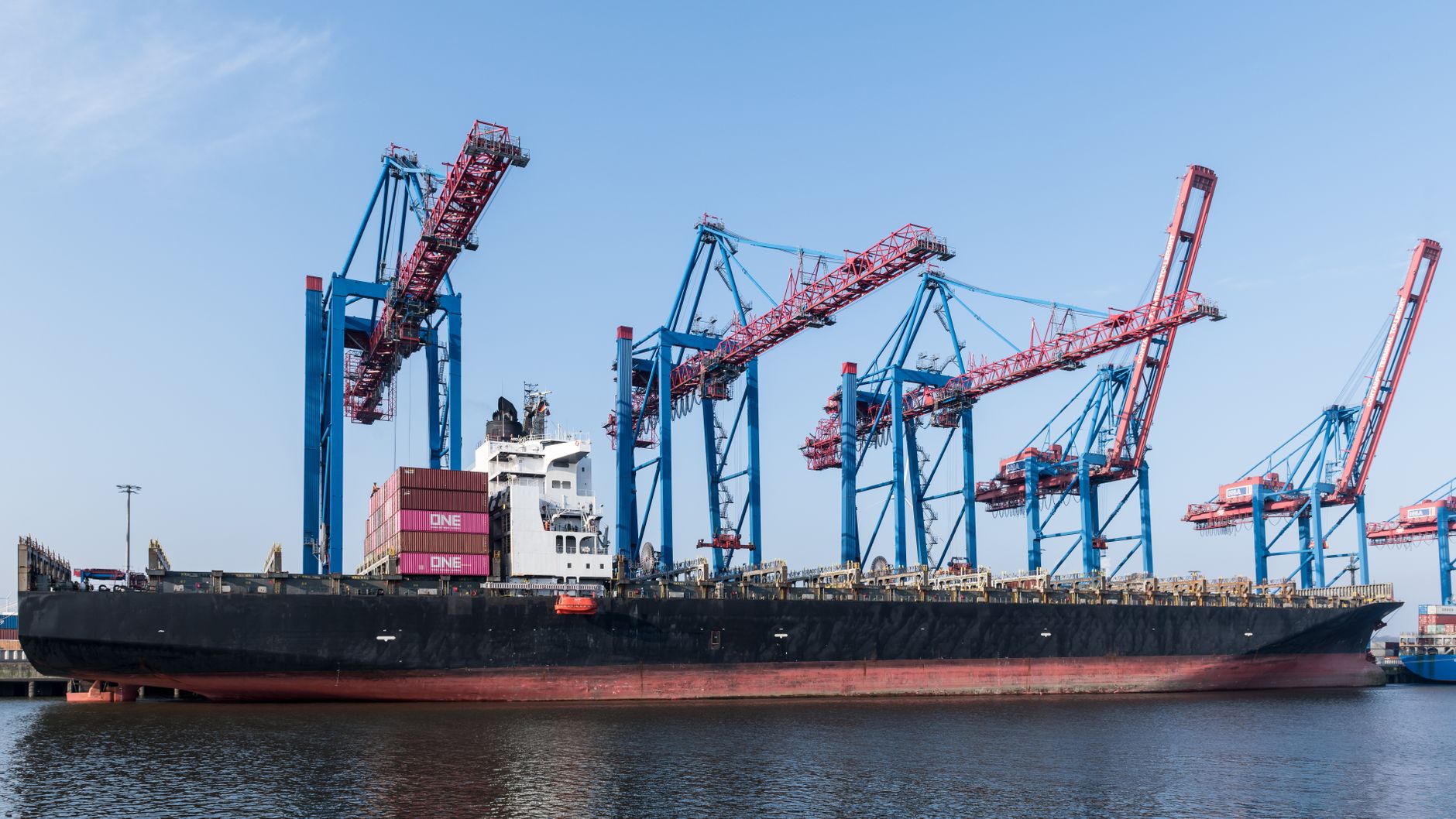
The proposed 20% Hormuz fee plan sparks concern among shipping industry stakeholders, potentially impacting Indian ocean freight rates.
Introduction to the Hormuz Fee Plan
The proposed 20% Hormuz fee plan has sent shockwaves throughout the shipping industry, with many stakeholders expressing concern over the potential impact on Indian ocean freight rates. As a major player in the global shipping landscape, India's ports, such as JNPT, Kolkata Port, and Chennai Port, are likely to be affected by this development.
Background and Context
The Strait of Hormuz, a critical waterway connecting the Persian Gulf to the Gulf of Oman, is a vital route for international trade. With approximately 20% of the world's oil passing through this strait, any disruption or additional cost can have far-reaching consequences. The proposed fee plan, aimed at securing the strait, has sparked debate among industry experts, with some arguing that it could lead to increased costs for shippers and ultimately affect the prices of goods.
Operational Details and Implications
From an operational perspective, the Hormuz fee plan could lead to increased transit times and costs for shippers. For instance, a typical container shipment from Mumbai to Dubai, which normally takes around 4-5 days, might be delayed due to the additional security measures and fees. Moreover, the plan could also lead to increased costs for project cargo, heavy machinery transport, and ODC transport, as these types of cargo often require specialized handling and equipment.
Regulatory and Compliance Angle
From a regulatory standpoint, the Hormuz fee plan raises several questions regarding compliance and enforcement. The plan is expected to be implemented by the relevant authorities, including the DGFT and CBIC, which will be responsible for collecting the fees and ensuring that all ships comply with the new regulations. Shippers and freight forwarders, like Oceanic Express LLP, will need to stay up-to-date with the latest developments and ensure that they are complying with all relevant regulations to avoid any disruptions or penalties.
Cost and Timeline Implications
The cost implications of the Hormuz fee plan are significant, with estimates suggesting that the average cost of shipping a container from India to the Middle East could increase by around 10-15%. This could have a ripple effect on the entire supply chain, with manufacturers and consumers ultimately bearing the brunt of the increased costs. In terms of timelines, the plan is expected to be implemented in phases, with the first phase commencing in the next 6-12 months.
Practical Guidance for Shippers
To mitigate the impact of the Hormuz fee plan, shippers can take several steps. Firstly, they should review their current shipping arrangements and consider alternative routes or modes of transport, such as air freight or rail freight. Secondly, they should work closely with their freight forwarders to ensure that they are complying with all relevant regulations and taking advantage of any available exemptions or discounts. Finally, they should consider diversifying their supply chain to reduce their reliance on any one particular route or mode of transport.
- Review current shipping arrangements and consider alternative routes or modes of transport
- Work closely with freight forwarders to ensure compliance with regulations and take advantage of exemptions or discounts
- Diversify supply chain to reduce reliance on any one particular route or mode of transport
- Consider using project cargo, heavy machinery transport, or ODC transport services to minimize costs and maximize efficiency
- Stay up-to-date with the latest developments and changes in regulations and fees
Did you know that the Hormuz fee plan could lead to increased costs for customs clearance and industrial logistics services? As a leading freight forwarder, Oceanic Express LLP can help you navigate these changes and ensure that your supply chain remains efficient and cost-effective.
Are you looking for ways to minimize the impact of the Hormuz fee plan on your business? Consider using Oceanic Express LLP's air freight services, which can help you avoid the increased costs and transit times associated with shipping through the Strait of Hormuz.
In conclusion, the Hormuz fee plan has significant implications for Indian ocean freight rates and the shipping industry as a whole. As a leading freight forwarder, Oceanic Express LLP is committed to helping our clients navigate these changes and ensuring that their supply chains remain efficient and cost-effective. If you have any questions or concerns about the Hormuz fee plan or would like to learn more about our services, please do not hesitate to contact us at +91-9830041358 / +91-9831034014.