

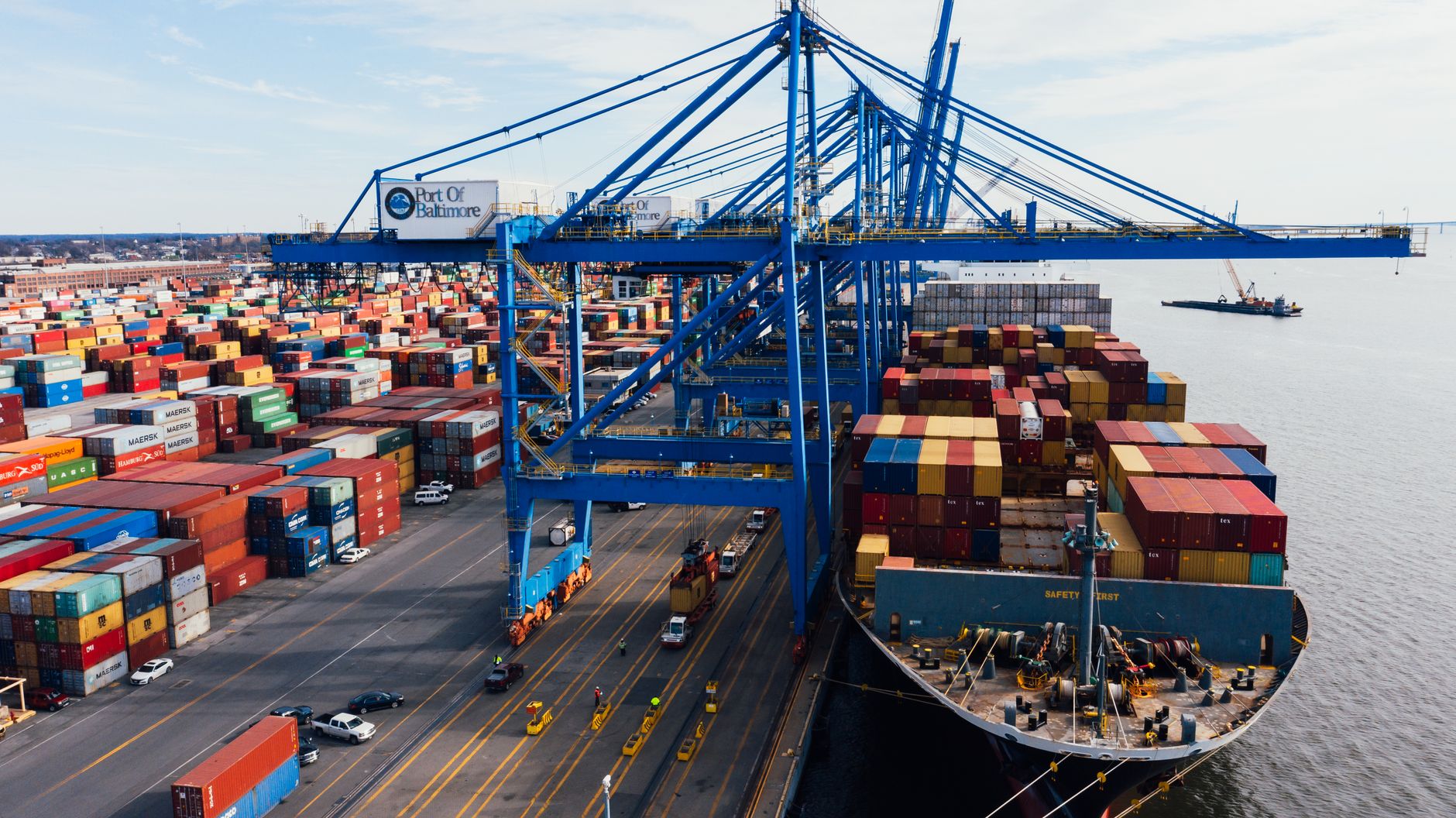
Indian exporters face increased risks in the Hormuz shipping lane due to rising tensions between Iran and the US.
Introduction to Hormuz Shipping Risks
The Hormuz shipping lane is a critical waterway connecting the Persian Gulf to the Gulf of Oman, and it plays a vital role in international trade, particularly for oil exports. However, the recent escalation of tensions between Iran and the US has raised concerns about the safety of ships passing through this region. As a result, Indian exporters who rely heavily on this route are facing increased risks and uncertainties.
According to a report by the World Trade Organization (WTO), the shipping industry is already facing mounting cost and capacity pressures due to global trade disruptions. The situation in the Hormuz shipping lane is further exacerbating these challenges, making it essential for Indian exporters to be aware of the potential risks and take necessary precautions.
Operational Details and Regulatory Compliance
The Directorate General of Shipping (DG Shipping) has issued guidelines for Indian ships operating in the Hormuz region, advising them to exercise extreme caution and follow all safety protocols. Additionally, the DGFT (Directorate General of Foreign Trade) has implemented measures to ensure that Indian exporters comply with all regulatory requirements and take necessary steps to mitigate risks.
It is essential for Indian exporters to be aware of the regulatory framework and comply with all requirements, including those related to customs clearance, insurance, and documentation. Our team at Oceanic Express LLP can provide guidance and support to ensure that all regulatory requirements are met, and necessary precautions are taken to minimize risks.
Cost and Timeline Implications
The increased risks and uncertainties in the Hormuz shipping lane can have significant cost and timeline implications for Indian exporters. Delays and disruptions can result in additional costs, including demurrage, detention, and storage charges. Furthermore, the need for additional security measures, such as escort vessels or increased insurance coverage, can also add to the overall cost.
A report by the Journal of Commerce estimates that the average cost of shipping a container from India to the US has increased by 15% in the past quarter, primarily due to the increased risks and uncertainties in the Hormuz region. It is essential for Indian exporters to factor in these additional costs and plan accordingly to minimize the impact on their business.
Practical Guidance for Shippers
To mitigate the risks associated with shipping through the Hormuz region, Indian exporters should take the following precautions:
- Ensure that all regulatory requirements are met, including customs clearance, insurance, and documentation.
- Work with a reputable freight forwarder, such as Oceanic Express LLP, to ensure that all necessary precautions are taken.
- Consider alternative routes, such as the Suez Canal, to minimize risks and uncertainties.
- Monitor the situation closely and stay informed about any developments or changes in the region.
- Develop a contingency plan to address any potential disruptions or delays.
By taking these precautions, Indian exporters can minimize the risks associated with shipping through the Hormuz region and ensure that their cargo reaches its destination safely and efficiently.
Did you know that the Hormuz shipping lane is responsible for approximately 20% of the world's oil exports? The region's strategic importance makes it a critical component of global trade, and any disruptions can have far-reaching consequences.
Outlook and Future Developments
The situation in the Hormuz shipping lane is constantly evolving, and it is essential for Indian exporters to stay informed about any developments or changes in the region. Our team at Oceanic Express LLP is closely monitoring the situation and will provide updates and guidance as necessary.
In the meantime, Indian exporters should focus on developing contingency plans and taking necessary precautions to mitigate risks. By working together with reputable freight forwarders and staying informed about the latest developments, Indian exporters can navigate the challenges posed by the Hormuz shipping lane and ensure that their business continues to thrive.
Are you looking for a reliable and experienced freight forwarder to help you navigate the challenges of the Hormuz shipping lane? Contact Oceanic Express LLP today at +91-9830041358 / +91-9831034014 to learn more about our services and how we can support your business.
In conclusion, the Hormuz shipping lane poses significant risks and uncertainties for Indian exporters, and it is essential to take necessary precautions to mitigate these risks. By working with a reputable freight forwarder, such as Oceanic Express LLP, and staying informed about the latest developments, Indian exporters can ensure that their cargo reaches its destination safely and efficiently. Contact us today to learn more about our services and how we can support your business.