

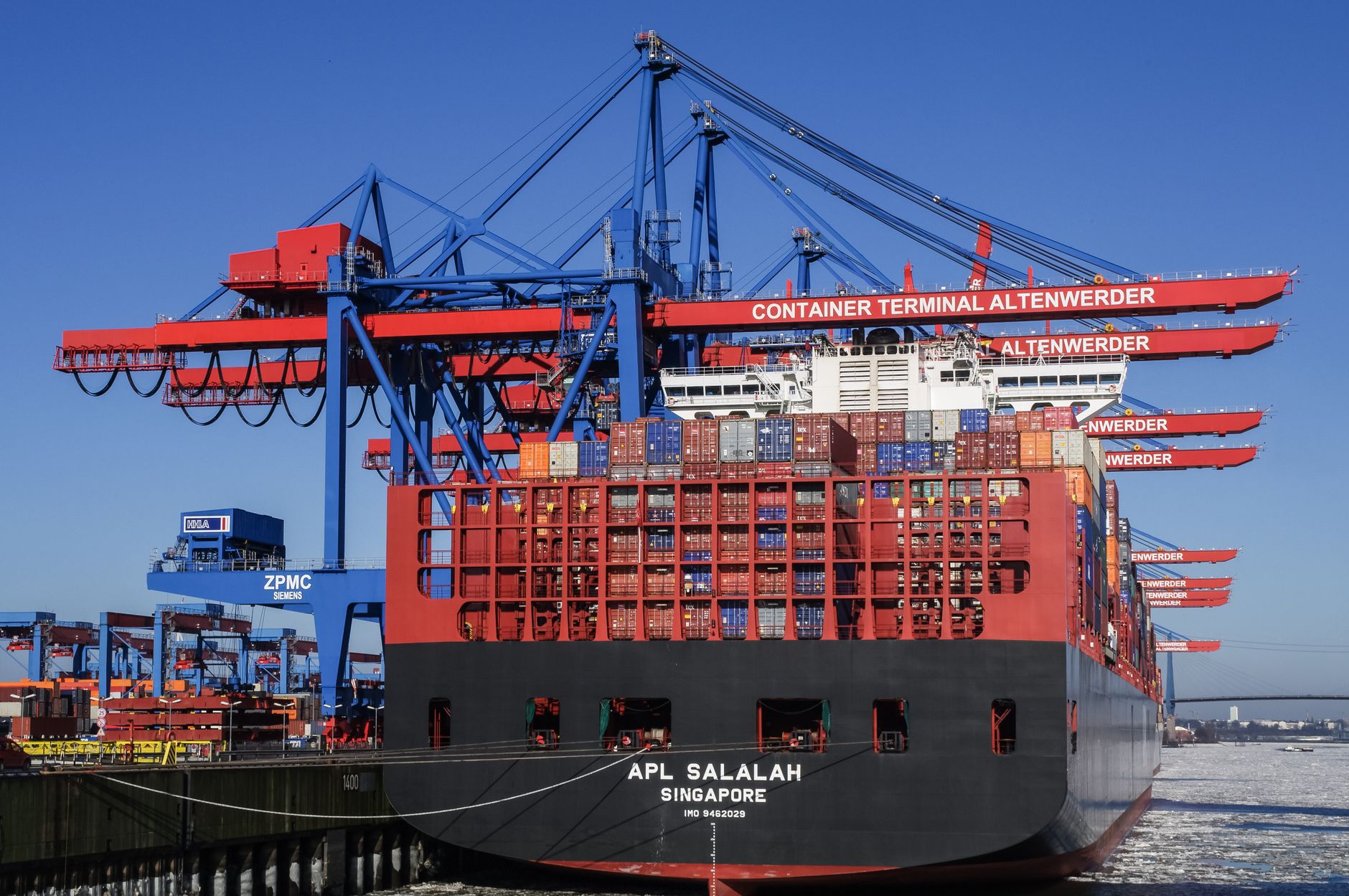
Ports worldwide are reshaping operations to absorb geopolitical, climatic and logistical shocks, turning flexibility and visibility into strategic assets for cargo resilience.
Why Resilience Matters More Than Efficiency
From Hormuz and the Black Sea to drought‑hit inland waterways, ports are forced to rethink resilience as disruption becomes a daily reality. While we cannot control geopolitical flashpoints or climate extremes, we can design our terminals to absorb the fallout. James Richardson, managing director for ports, terminals and liabilities at Gallagher Specialty, notes that “ports are operating in an environment where disruption rarely stays contained.” This insight drives our strategy at Oceanic Express LLP.
Slack as a Strategic Asset
For decades the industry chased maximum efficiency, squeezing every berth and crane into a tight schedule. Today, a measured degree of slack—flexible berth windows, reserve equipment, adaptable labour rosters, and additional storage—creates the breathing room needed when vessels are delayed or rerouted. Singapore’s Maritime and Port Authority openly treats flexibility as a competitive advantage, a view we share.
Visibility: The Early‑Warning Engine
Effective resilience starts with visibility. By integrating vessel ETAs, AIS data, weather forecasts, canal conditions, terminal capacity, and hinterland availability, we can model “what‑if” scenarios before ships anchor. AI, digital twins and predictive analytics turn raw data into actionable decisions—moving boxes earlier, reallocating cranes, or adjusting shift patterns.
Beyond the Quay: Integrated Logistics Networks
“Ports do not stop at the coastline anymore,” says CLECAT director general Nicolette van der Jagt. Our competitiveness now hinges on rail links, inland terminals, dry ports, and alternative road corridors. A fast turnaround at the quay is meaningless if containers cannot exit the facility efficiently. Consequently, we invest in robust hinterland connections and collaborate with rail operators to ensure seamless cargo flow.
Infrastructure Built for Climate Reality
Physical upgrades are no longer optional. Better drainage, flood barriers, resilient power supplies, and equipment rated for higher temperatures are becoming standard capital items. The European Commission’s new ports strategy places climate risk assessment at the core of infrastructure planning—a blueprint we are aligning with for Indian ports.
Preparedness Through Tested Crisis Plans
Finally, crisis plans must be rehearsed. Who receives priority when capacity shrinks? When are extra shifts triggered? Which cargo streams can be diverted, and which neighbouring terminals, depots, hauliers, rail operators and authorities need to be alerted? Our team conducts quarterly tabletop exercises to keep these protocols fresh.
- Maintain flexible berth allocations.
- Invest in AI‑driven visibility platforms.
- Strengthen rail and road hinterland links.
- Upgrade drainage and power resilience.
- Run regular crisis‑management drills.
Ports that embed these practices will recover faster when the next disruption hits. At Oceanic Express LLP, we are already applying these principles across our Kolkata hub and partner terminals, ensuring our customers’ cargo moves with confidence, no matter the global climate.
Ready to future‑proof your supply chain? Contact Oceanic Express LLP today at +91-9830041358 or +91-9831034014. Our experts will help you navigate the complexities of modern maritime logistics with resilience built‑in.