

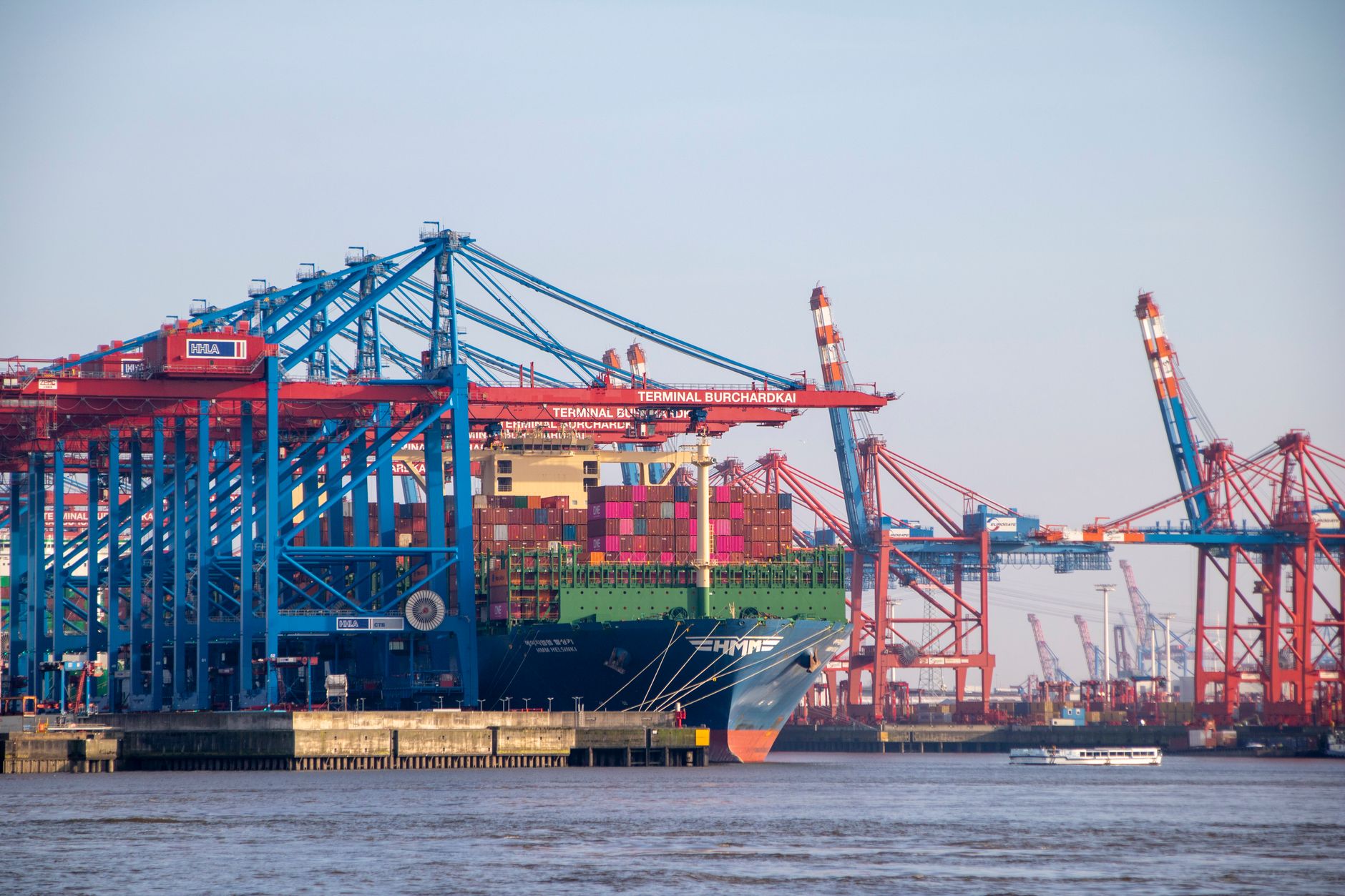
The ongoing conflict in the Middle East has significant implications for global freight forwarding, affecting project cargo, heavy machinery transport, and ODC transport.
Introduction to the Conflict's Impact
The ongoing conflict in the Middle East has significant implications for global freight forwarding. As a critical trade route, the Middle East plays a vital role in the transportation of goods, including project cargo, heavy machinery transport, and ODC (Over-Dimensional Cargo) transport. The conflict has resulted in increased risks, costs, and complexities for freight forwarders, affecting the entire supply chain.
Affecting Trade Routes and Ports
The conflict has impacted various trade routes and ports in the region, including the Suez Canal, the Strait of Hormuz, and the ports of Dubai and Jebel Ali. These routes are crucial for international trade, and any disruptions can have far-reaching consequences. For instance, the Suez Canal, which connects the Mediterranean Sea to the Red Sea, is a vital waterway for international trade, with over 10% of global trade passing through it. Any disruptions to this route can result in significant delays and increased costs for freight forwarders.
Impact on Freight Forwarding Services
The conflict has affected various freight forwarding services, including:
- Air Freight: The conflict has resulted in increased air freight costs due to the need for alternative routes and increased security measures.
- Customs Clearance: The conflict has led to increased customs clearance times and costs due to the need for additional documentation and inspections.
- Industrial Logistics: The conflict has affected industrial logistics, including the transportation of heavy machinery and project cargo, due to the need for specialized equipment and expertise.
- ODC Transport: The conflict has resulted in increased costs and complexities for ODC transport due to the need for specialized equipment and permits.
Key Considerations for Freight Forwarders
Freight forwarders must consider the following key factors when operating in the Middle East:
- Increased security measures
- Alternative routes and modes of transport
- Additional documentation and inspections
- Specialized equipment and expertise
Conclusion and Recommendations
In conclusion, the ongoing conflict in the Middle East has significant implications for global freight forwarding. Freight forwarders must be aware of the potential risks, costs, and complexities associated with operating in the region. To mitigate these risks, freight forwarders should consider alternative routes and modes of transport, invest in specialized equipment and expertise, and ensure compliance with all relevant regulations and documentation requirements. At Oceanic Express LLP, we understand the complexities of freight forwarding in the Middle East and are committed to providing our clients with tailored solutions to meet their specific needs. For more information on how we can assist you with your freight forwarding requirements, please contact us at +91-9830041358 / +91-9831034014.