

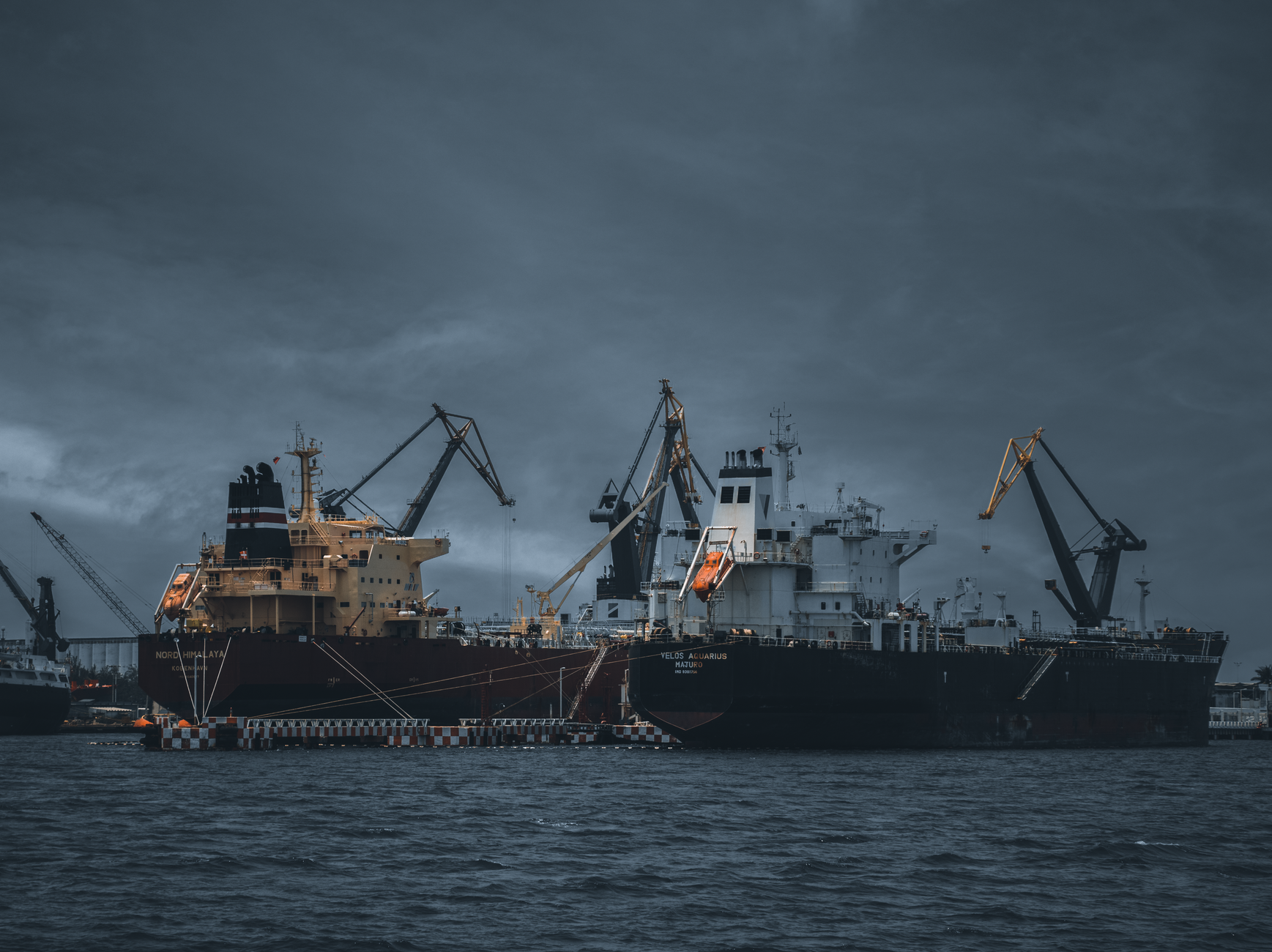
India plans to dispatch its inaugural cargo ship via the Northern Sea Route in 2027, a strategic move that will slash transit times to Russia and reshape Indo‑Russian trade dynamics.
Strategic Rationale Behind the Northern Sea Route Initiative
The Ministry of Shipping, in collaboration with the Ministry of External Affairs, has identified the Arctic‑based Northern Sea Route (NSR) as a game‑changing corridor for Indo‑Russian trade. By 2027, India intends to launch its first dedicated cargo vessel that will sail from Kolkata, through the Suez Canal, and then navigate the NSR via the Russian Arctic ports of Murmansk and Arkhangelsk. This route promises a reduction of up to 30‑40 per cent in transit time compared with the traditional Europe‑via‑Suez corridor, translating into faster delivery of essential commodities such as oil, fertilizers, and steel.
Key Benefits for Indian Exporters and Importers
From a freight forwarding perspective, the NSR offers several tangible advantages:
- Speed: Estimated voyage time drops from 45‑50 days to roughly 30‑33 days.
- Cost Efficiency: Lower bunker consumption and reduced demurrage charges lower overall freight costs.
- Reliability: Fewer transshipment points mean fewer handling risks and cargo damage.
- Environmental Impact: Shorter routes cut CO₂ emissions, aligning with India’s green logistics goals.
Fact: The NSR can shave up to 15 days off a Kolkata‑Moscow shipment, potentially saving $1,200‑$1,500 per TEU in freight charges.
Infrastructure and Regulatory Preparations
Successful operation of the NSR will depend on coordinated infrastructure upgrades on both sides of the Arctic. Russia has pledged to modernise port facilities in Murmansk, while India is investing in ice‑class vessel certification and crew training for extreme weather conditions. Additionally, bilateral agreements are being finalised to streamline customs clearance, ice‑breaker support, and insurance frameworks.
Implications for Global Shipping Patterns
The launch of an Indian cargo vessel on the NSR signals a broader shift in maritime logistics. As climate change gradually reduces sea‑ice cover, more nations are eyeing the Arctic as a viable commercial artery. For freight forwarders like Oceanic Express LLP, this development opens new service portfolios, including door‑to‑door solutions that combine rail, inland waterways, and Arctic sea‑lane connectivity.
How Oceanic Express LLP is Preparing
Our team has already begun mapping end‑to‑end supply‑chain solutions that incorporate the NSR. We are engaging with Russian partners to secure berth allocations, negotiating ice‑breaker contracts, and updating our digital tracking platform to provide real‑time visibility for cargo traversing the Arctic. Clients can expect tailored quotations, risk‑mitigation strategies, and compliance support as the route becomes operational.
In summary, India’s decision to launch its first cargo vessel on the Northern Sea Route by 2027 is a landmark step toward deeper economic integration with Russia and a catalyst for more resilient, faster, and greener trade flows. Oceanic Express LLP stands ready to guide our customers through this emerging corridor, leveraging our expertise in freight forwarding, customs brokerage, and multimodal logistics.
For detailed consultancy, freight quotations, or partnership inquiries regarding the Northern Sea Route, contact our dedicated team at +91‑9830041358 or +91‑9831034014. Let Oceanic Express LLP navigate the future of Indo‑Russian trade for you.