

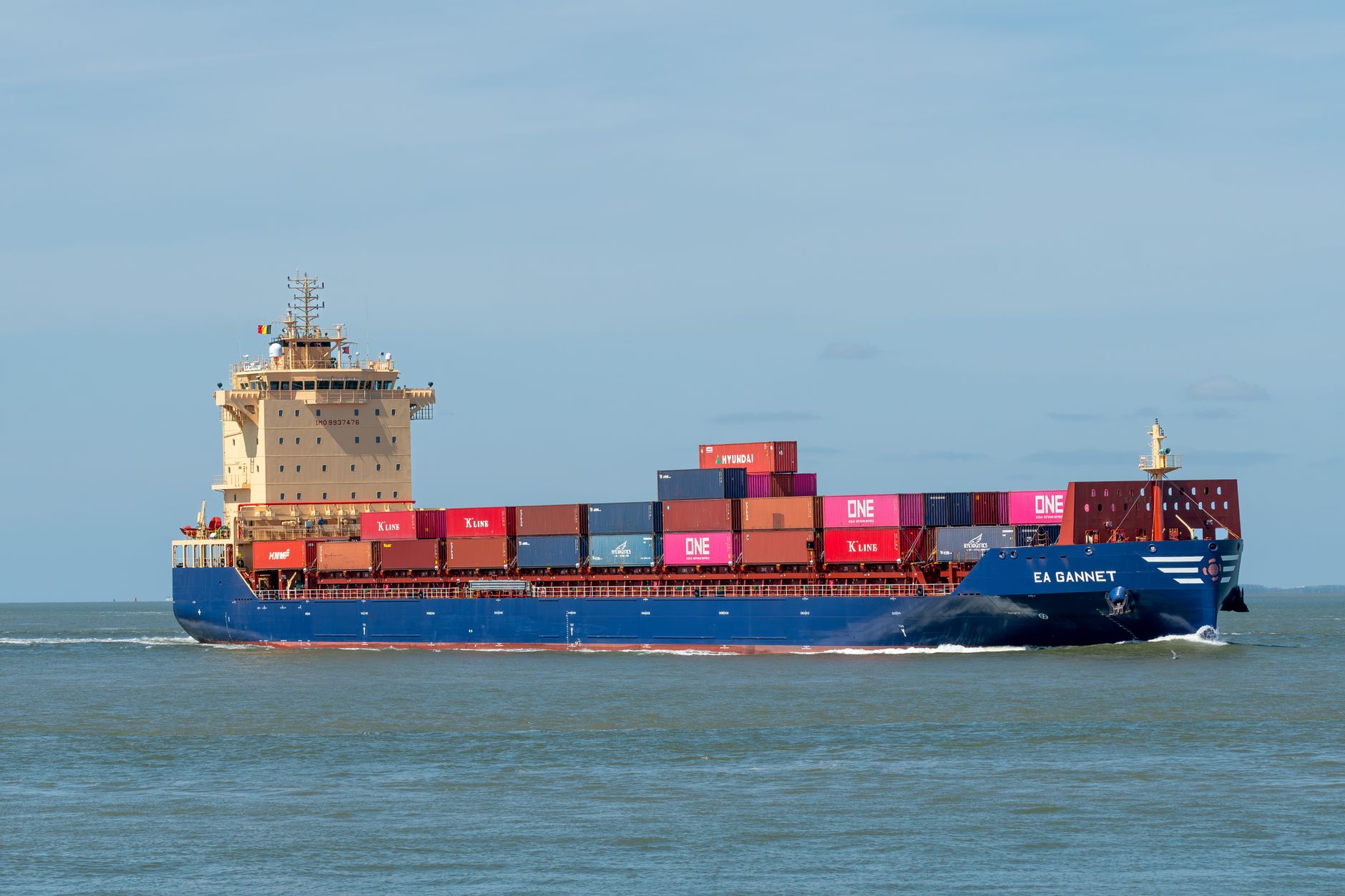
India’s maritime sector is powering a hiring boom and a tech revolution, with 95% of trade by sea, massive port upgrades and a vision for 4 crore jobs by 2047.
Historical Roots of India’s Maritime Might
Our nation’s tryst with the sea stretches back nearly 4,500 years. The Indus Valley Civilization built the world’s oldest tidal dockyard at Lothal around 2300 BCE, exporting beads and textiles to Mesopotamia. Centuries later, the Chola navy dominated the Bay of Bengal, carrying Indian trade, culture and ideas across Southeast Asia. This ancient seamanship has evolved into a modern economic engine that today powers a hiring boom and a technology revolution.
The Numbers That Matter
According to the India Brand Equity Foundation (IBEF), almost 95 % of India’s trade by volume and about 70 % by value still moves by sea. In FY 2024‑25, major ports handled 854.86 million tonnes of cargo, while total port capacity has nearly doubled to 2,762 million tonnes per annum. Vessel turnaround time has been slashed from 93 hours to just 48 hours, a testament to operational efficiency.
Exports now span engineering goods, petroleum products, gems & jewellery, medicines, textiles, rice and marine products. Imports are dominated by crude oil, coal, gold, machinery and electronics. This cargo mix underscores why the shipping industry is often called the backbone of the Indian economy.
A Job Machine for Young India
India has leap‑frogged traditional seafaring nations to become the world’s second‑largest exporter of seafarers, after the Philippines. We now have more than 311,000 seafarers, representing 12.16 % of the global seafarer population, up from just 5.2 % in 2015. Women’s participation has grown tenfold since 2014, reflecting a sector that is rapidly opening up.
Union Minister Sarbananda Sonowal’s Maritime Amrit Kaal Vision aims to attract **₹80 lakh crore** in investment and create roughly **4 crore maritime jobs** by 2047. Beyond deck officers, the wider maritime economy supports shipbuilding, repair, warehousing, freight forwarding, insurance, green fuels and inland waterways—offering high‑paying, globally mobile careers beyond the usual IT and finance tracks.
Automation: A Turbocharger, Not a Threat
Automation is accelerating growth rather than displacing workers. Jawaharlal Nehru Port now runs five automated container terminals with a combined capacity of **10.4 million TEUs**, placing it among the world’s top 40 container ports. Mundra Port handles **7.4 million TEUs**, ranking among the busiest globally.
Key digital initiatives include:
- e‑Samudra – a unified single‑window portal for certificates, licences and payments.
- Maritime Single Window – operational since Jan 2024, covering 85 ports and raising vessel compliance to 75 % by mid‑2025.
- AI‑driven planning – real‑time recommendations for berth allocation, unloading sequences and yard space utilisation.
- Digital twins – live simulations that predict disruptions and optimise crane maintenance.
Automation eliminates hazardous manual handling, creates roles for remote‑control operators, robotics engineers and IT analysts, and demands a robust cybersecurity framework to protect identity controls and data backups.
The Course Ahead
Investment proposals of **₹12 lakh crore** announced during India Maritime Week 2025, together with Sagarmala projects worth more than **₹6 lakh crore**, set the stage for a decade of transformation. Government programmes such as Maritime India Vision 2030 and Maritime Amrit Kaal Vision 2047 will deliver smarter, faster and greener ports while generating millions of jobs.
At Oceanic Express LLP, we are aligning our services with this momentum—offering end‑to‑end freight forwarding, customs clearance and supply‑chain solutions that leverage the latest port automation and digital platforms. Our team is ready to help Indian exporters and importers navigate this vibrant maritime landscape.
Ready to partner with a forward‑looking freight forwarder? Contact Oceanic Express LLP today at +91‑9830041358 or +91‑9831034014. Let us steer your cargo through India’s sea‑based growth engine.