

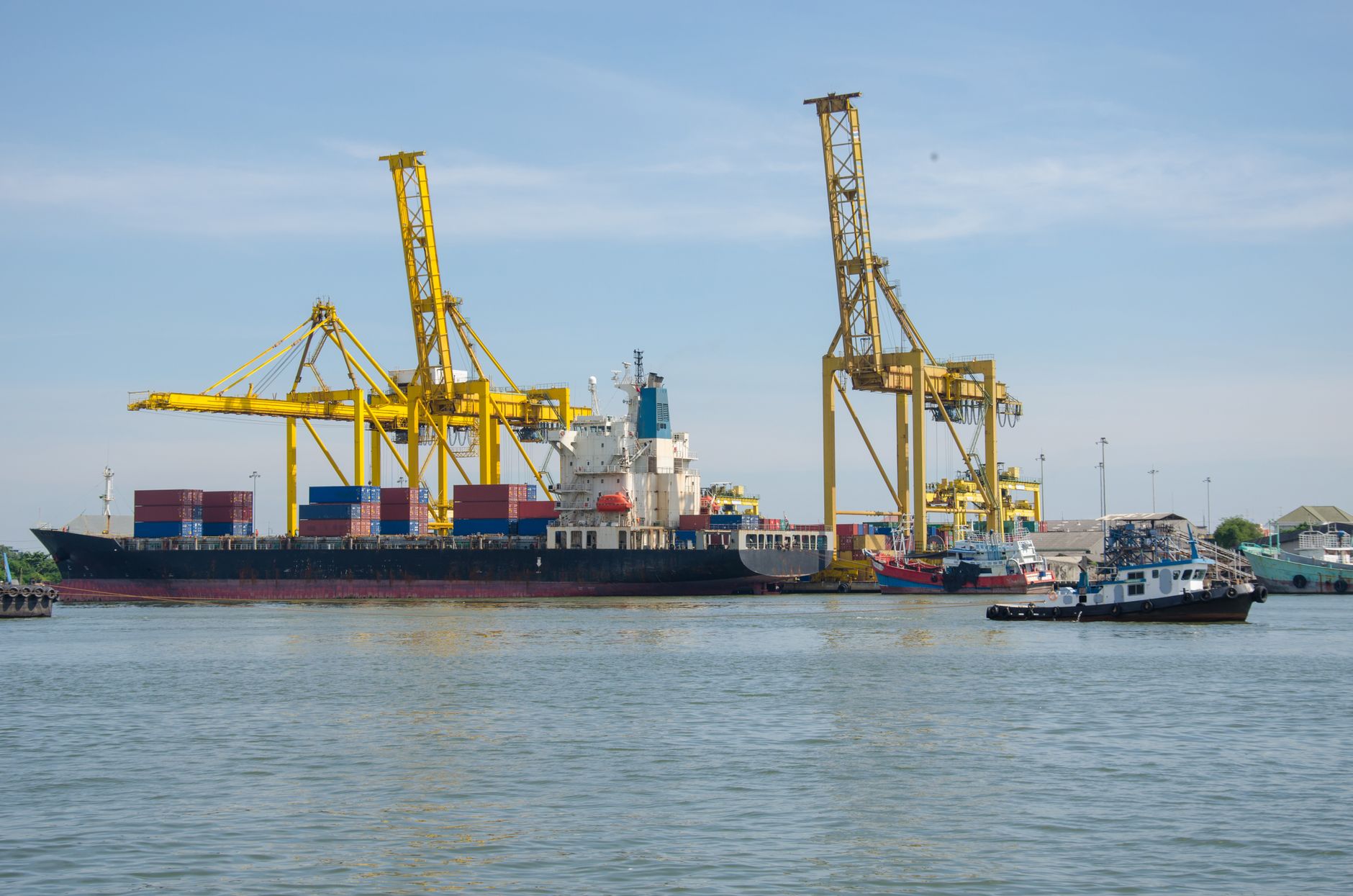
Iran’s decision to keep the Strait of Hormuz closed is reshaping global freight routes, driving up shipping costs and prompting freight forwarders to rethink supply‑chain strategies.
Strategic Context: Why Iran Is Holding the Hormuz Strait
The Strait of Hormuz remains one of the world’s most critical maritime chokepoints, funneling roughly 20 % of global petroleum shipments and a significant share of containerised cargo. Recent diplomatic tensions have led Tehran to adopt a firm stance, signalling that any perceived threat to its sovereignty could result in a prolonged closure. For freight forwarders, this geopolitical lever translates directly into route volatility, vessel scheduling uncertainty, and heightened insurance premiums.
Immediate Ripple Effects on Global Freight Routes
When the Hormuz corridor is restricted, carriers are forced to divert vessels around the Cape of Good Hope or the longer Northern Sea Route (subject to seasonal ice). Both alternatives add 10‑15 days to transit times for Asia‑Europe trades and increase fuel consumption dramatically. Our logistics analysts have quantified the impact:
- Average additional distance: 3,500 nautical miles per voyage.
- Fuel cost surge: up to US $1.2 million per 20‑foot container ship.
- Carbon emissions rise by approximately 15 % per diverted trip.
- Port congestion spikes in Dubai, Jebel Ali, and Rotterdam as vessels seek alternative berths.
Shipping Costs: From Freight Rates to Insurance Premiums
Beyond the direct fuel surcharge, insurers are recalibrating war‑risk premiums. The Lloyd’s Market Association reported a 30 % uplift in war‑risk clauses for vessels transiting the Gulf region. Consequently, shippers are seeing a compound increase: base freight rates, bunker adjustment factors, and insurance all climb in tandem. For Indian exporters and importers, especially those in Kolkata’s thriving textile and engineering sectors, the cost pressure is palpable.
Operational Adjustments for Freight Forwarders
At Oceanic Express LLP, we have already begun to re‑engineer our routing algorithms. Our response framework includes:
- Real‑time monitoring of geopolitical alerts via dedicated intelligence feeds.
- Dynamic re‑routing tools that automatically calculate cost‑effective alternatives.
- Pre‑emptive cargo consolidation to minimise the number of voyages required.
- Negotiated insurance arrangements with carriers to lock in lower war‑risk premiums.
These measures help our clients maintain supply‑chain continuity while mitigating the financial shock of a Hormuz shutdown.
Long‑Term Outlook and Strategic Recommendations
While a full‑scale closure remains a worst‑case scenario, the probability of intermittent disruptions is high. Companies should consider diversifying their import‑export corridors, investing in inventory buffers, and engaging freight partners who possess robust risk‑management capabilities. Oceanic Express LLP stands ready to provide strategic consultancy, end‑to‑end freight forwarding, and real‑time visibility solutions tailored to the evolving landscape.
In summary, Iran’s firm stance on the Hormuz Strait is reshaping global freight routes, inflating shipping costs, and compelling the entire logistics ecosystem to adapt. By staying ahead of the curve, shippers can protect margins and ensure that goods continue to flow smoothly across continents.
For detailed route analysis, cost‑impact assessments, or to discuss how Oceanic Express LLP can safeguard your supply chain amid Hormuz‑related uncertainties, contact our Kolkata office at +91-9830041358 or +91-9831034014. Our expert team is on standby 24/7 to provide tailored solutions.