

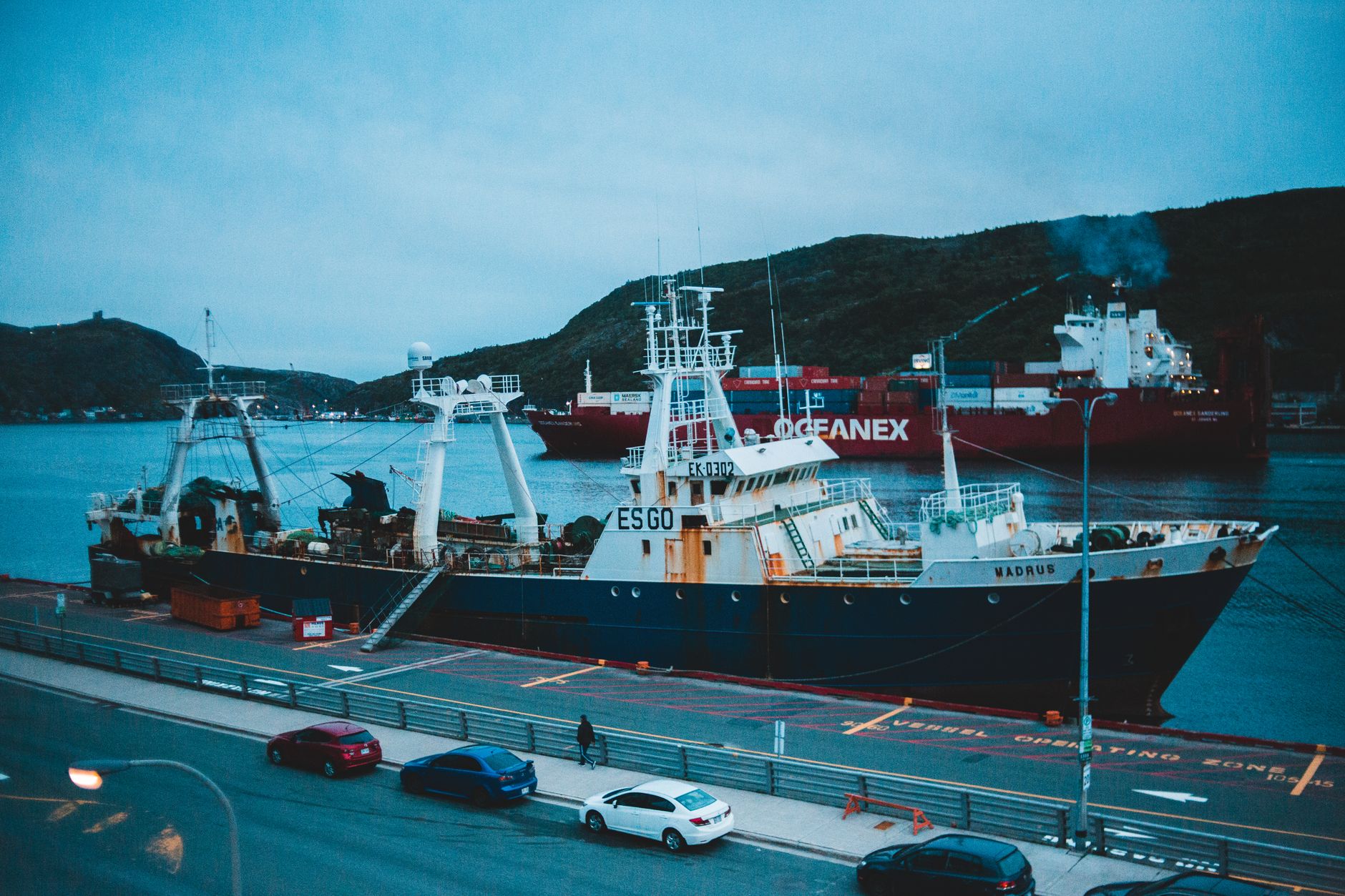
Maersk and Hapag-Lloyd have restored a key route to the Suez Canal corridor, marking a significant development in the shipping industry.
Introduction to the Suez Canal Corridor
The Suez Canal corridor is a vital shipping route that connects the Mediterranean Sea to the Red Sea, allowing vessels to travel between Europe and Asia without having to circumnavigate Africa. The canal is approximately 120 miles long and is one of the busiest shipping lanes in the world.
Maersk and Hapag-Lloyd's Restoration of the Key Route
Maersk and Hapag-Lloyd, two of the world's largest container shipping companies, have announced the restoration of a key route to the Suez Canal corridor. The route, known as the Gemini Cooperation, will once again allow vessels to travel through the Suez Canal, reducing transit times and increasing efficiency.
Security Concerns in the Red Sea Area
The Red Sea area has been plagued by security concerns in recent months, with Houthi rebels announcing a blockade of Saudi Arabian vessels and resuming attacks in July. Maersk has warned that if the security situation deteriorates, it may revert to the Cape of Good Hope route, which would add significant time and cost to shipments.
Benefits of the Trans-Suez Route
The trans-Suez route offers several benefits, including reduced transit times, lower fuel costs, and increased efficiency. Maersk has emphasized that the Suez routing is the "faster, most sustainable, and most efficient way" for its customers. The company has also noted that it offers Maersk Cargo Insurance as an option to allay any customer fears.
Impact on the Shipping Industry
The restoration of the key route to the Suez Canal corridor is expected to have a significant impact on the shipping industry. The route will save distance and cost, and speed up transits, but it is also likely to free up capacity that was required for the longer routes. This could lead to excess availability, which is a concern for the industry.
- Reduced transit times: The trans-Suez route will reduce transit times by several days, allowing for faster delivery of goods.
- Lower fuel costs: The shorter route will result in lower fuel costs, which will be beneficial for both the shipping companies and their customers.
- Increased efficiency: The trans-Suez route will increase efficiency, allowing for more vessels to travel through the canal and reducing congestion.
- Excess availability: The restoration of the key route may lead to excess availability, which could have a negative impact on the shipping industry.
The Gemini Cooperation route AE19, which runs from Asia to the Suez Canal and Port Tangier, is the latest to revert to the trans-Suez corridor. The route will include stops in Egypt and Jeddah, Saudi Arabia.
Conclusion
In conclusion, the restoration of the key route to the Suez Canal corridor is a significant development in the shipping industry. The trans-Suez route offers several benefits, including reduced transit times, lower fuel costs, and increased efficiency. However, the industry must also be aware of the potential risks, including excess availability. At Oceanic Express LLP, we are committed to providing our customers with the best possible service, and we will continue to monitor the situation and adjust our routes accordingly. If you have any questions or concerns, please do not hesitate to contact us at +91-9830041358 / +91-9831034014.