

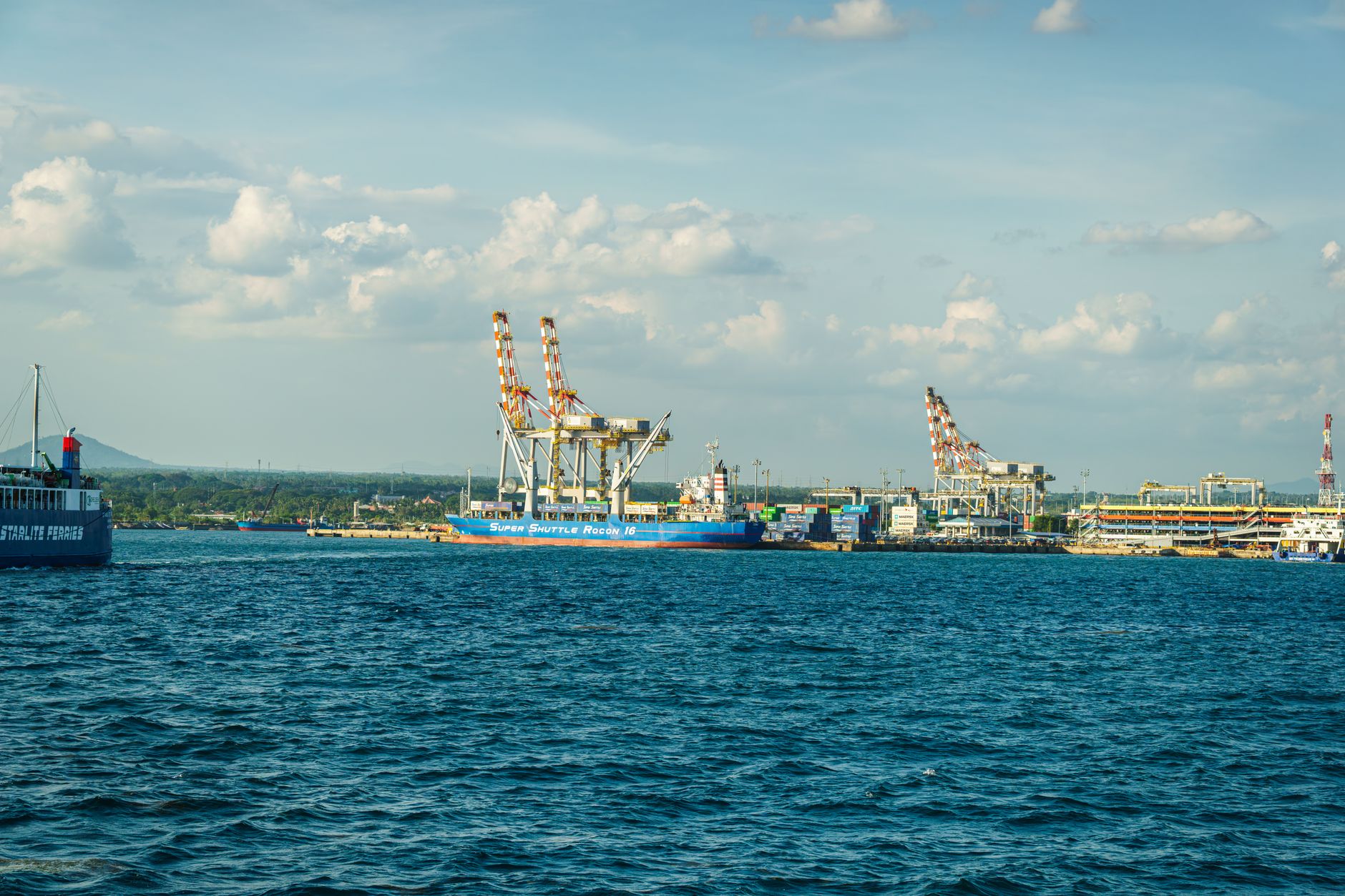
Indian exporters face challenges due to Red Sea shipping delays
Introduction to Red Sea Shipping Delays
Indian exporters are facing significant challenges due to the recent Red Sea shipping delays. The delays, which have been caused by a combination of factors including the Houthi attack on Saudi Arabia and the resulting increase in freight rates, have had a major impact on the Indian export industry. According to a report by Scan Global Logistics, the ocean freight market has turned "red hot," prompting a freight rate rally. This has resulted in increased costs for Indian exporters, who are already struggling to compete in the global market.
Causes of the Delays
The Red Sea shipping delays are caused by a combination of factors, including the Houthi attack on Saudi Arabia, which has resulted in increased security measures and congestion at ports such as Jeddah and Yanbu. Additionally, the recent increase in demand for shipping services, particularly from India, has put a strain on the global shipping industry, leading to delays and increased costs. According to a report by Maersk, the Asia Pacific region has seen a significant increase in demand for shipping services, with India being one of the major contributors to this growth.
Impact on Indian Exporters
The Red Sea shipping delays have had a significant impact on Indian exporters, who are facing increased costs and delays in getting their goods to market. According to a report by The Loadstar, carriers have rolled out hefty surcharges as demand rises in "hot" Indian markets. This has resulted in increased costs for Indian exporters, who are already struggling to compete in the global market. Additionally, the delays have also resulted in a loss of business for Indian exporters, who are unable to meet their delivery deadlines.
Regulatory Framework
The Red Sea shipping delays have also highlighted the need for a regulatory framework to govern the shipping industry. According to a report by the World Trade Organization (WTO), the shipping industry is facing mounting cost and capacity pressures amid global trade disruptions. The WTO has called for increased cooperation and coordination among governments and industry stakeholders to address these challenges. In India, the Directorate General of Foreign Trade (DGFT) and the Central Board of Indirect Taxes and Customs (CBIC) are working to simplify customs procedures and reduce delays at ports such as JNPT, Kolkata Port, and Chennai Port.
Practical Guidance for Shippers
To navigate the Red Sea shipping delays, Indian exporters need to take a proactive approach to managing their supply chains. This includes working closely with their shipping lines and freight forwarders to get the latest updates on sailing schedules and port congestion. Additionally, exporters should also consider diversifying their shipping routes and using alternative ports such as Mundra and Vizag to reduce their reliance on the Red Sea route. Here are some practical tips for shippers:
- Work closely with your shipping line and freight forwarder to get the latest updates on sailing schedules and port congestion.
- Consider diversifying your shipping routes and using alternative ports such as Mundra and Vizag.
- Use technology such as track and trace systems to monitor your shipments and stay informed about any delays or disruptions.
- Build relationships with your shipping line and freight forwarder to get priority access to capacity and equipment.
- Consider using air freight as an alternative to sea freight for time-sensitive shipments.
Did you know that the Red Sea shipping delays have resulted in increased costs for Indian exporters, with some reports suggesting that costs have increased by as much as 20%?
Outlook and Future Prospects
The Red Sea shipping delays are likely to continue in the short term, with the ongoing conflict in the region and the resulting increase in security measures and congestion at ports. However, in the long term, the Indian export industry is expected to continue to grow, driven by the country's large and growing economy and its strategic location on the Asian continent. According to a report by Market Research Future, the freight and logistics market in India is expected to grow at a CAGR of 10.5% from 2023 to 2035, driven by the growth of the e-commerce industry and the increasing demand for logistics services.
Are you looking for a reliable and experienced freight forwarder to help you navigate the Red Sea shipping delays? Contact Oceanic Express LLP today at +91-9830041358 / +91-9831034014 to learn more about our services and how we can help you manage your supply chain.
In conclusion, the Red Sea shipping delays have had a significant impact on Indian exporters, who are facing increased costs and delays in getting their goods to market. However, by working closely with their shipping lines and freight forwarders, diversifying their shipping routes, and using alternative ports, exporters can navigate these challenges and continue to grow their businesses. At Oceanic Express LLP, we are committed to providing our clients with the best possible service and support to help them manage their supply chains and achieve their business goals. Contact us today to learn more about our services and how we can help you.