

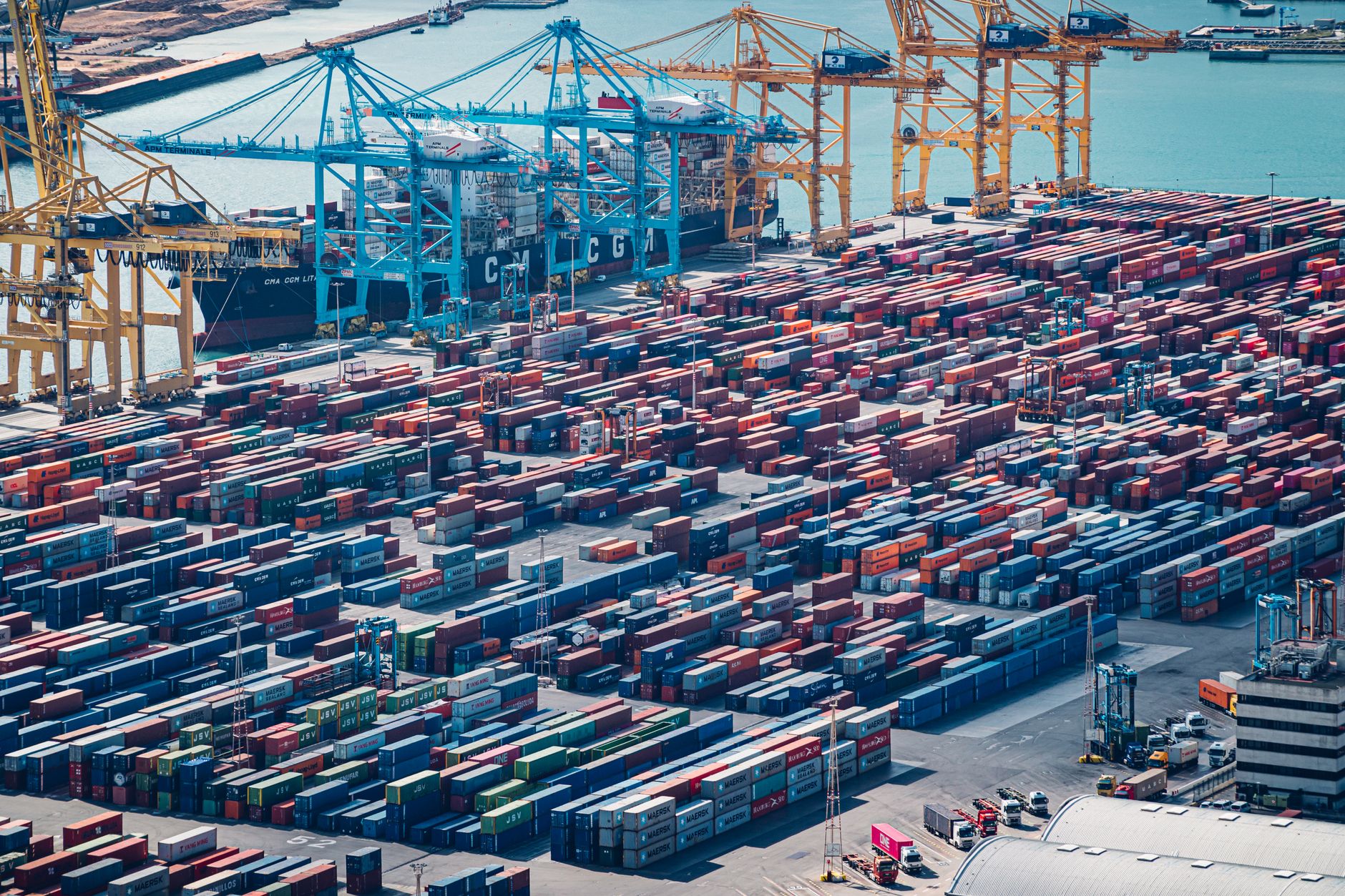
Container capacity stranded at ports has surged to a record 4.31 million TEU, intensifying vessel shortages and pushing freight rates to historic highs, according to Linerlytica.
Record‑High Stranded Capacity: 4.31 Million TEU
Our team at Oceanic Express LLP has been closely monitoring the latest figures released by analytics firm Linerlytica. This week the volume of container capacity delayed by port congestion reached 4.31 million TEU, eclipsing the previous peak of 4 million TEU recorded in 2022 during the post‑COVID surge. The new record underscores a systemic shortage of vessels and available slots across key trade lanes.
Geographic Hotspots and Contributing Factors
Several regions are amplifying the bottleneck:
- More than 1.5 million TEU anchored off Shanghai after recent typhoons battered Chinese ports.
- Significant queues at Singapore, Busan, Colombo and multiple Chinese terminals.
- Mumbai now exhibits the highest queue‑to‑berth ratio in the Indian sub‑continent.
- Reduced transits through the Panama Canal due to draft restrictions and drought‑related water level drops.
Impact on Freight and Charter Rates
Linerlytica notes that freight rates have surged 156 % since the onset of the Iran‑related conflict, while charter rates for container vessels have similarly firmed. The shortage of spare capacity means carriers can command premium pricing, a trend that is reflected in the latest market indices.
Operational Adjustments: Suez, Red Sea and Africa Diversions
Vessels detouring around Africa and away from the Suez‑Red Sea corridor have added days to transit times, further tightening capacity. In response, major carriers are recalibrating routes:
- Maersk is reinstating services through the Red Sea corridor.
- Hapag‑Lloyd and MSC have announced partial returns to the Suez Canal under the Gemini Cooperation framework.
- Suez officials estimate a potential reduction of up to 14 days in transit time for ships that resume the traditional route.
Outlook and Industry Response
Chinese port operators are accelerating recovery efforts, and new vessel deliveries continue to expand total capacity. Nevertheless, Linerlytica warns that congestion will remain a structural challenge throughout 2026. Carriers such as Maersk have already revised their 2026 financial outlooks upward, citing strong freight rates and a more optimistic market environment.
What This Means for Shippers in India
For Indian exporters and importers, the confluence of stranded TEU, limited vessel availability, and elevated freight costs translates into higher landed costs and longer lead times. At Oceanic Express LLP we are leveraging our extensive network in Kolkata and beyond to provide alternative routing options, proactive cargo‑tracking, and competitive pricing where possible.
We advise our customers to engage early with their logistics partners, consider cargo‑consolidation strategies, and stay informed about port‑level updates. Our dedicated team is ready to assist you in navigating these turbulent waters.
If you need tailored advice or a reliable freight solution amid the current congestion, contact Oceanic Express LLP today at +91‑9830041358 or +91‑9831034014. Our experts are on standby to optimise your supply chain and mitigate the impact of rising rates.