

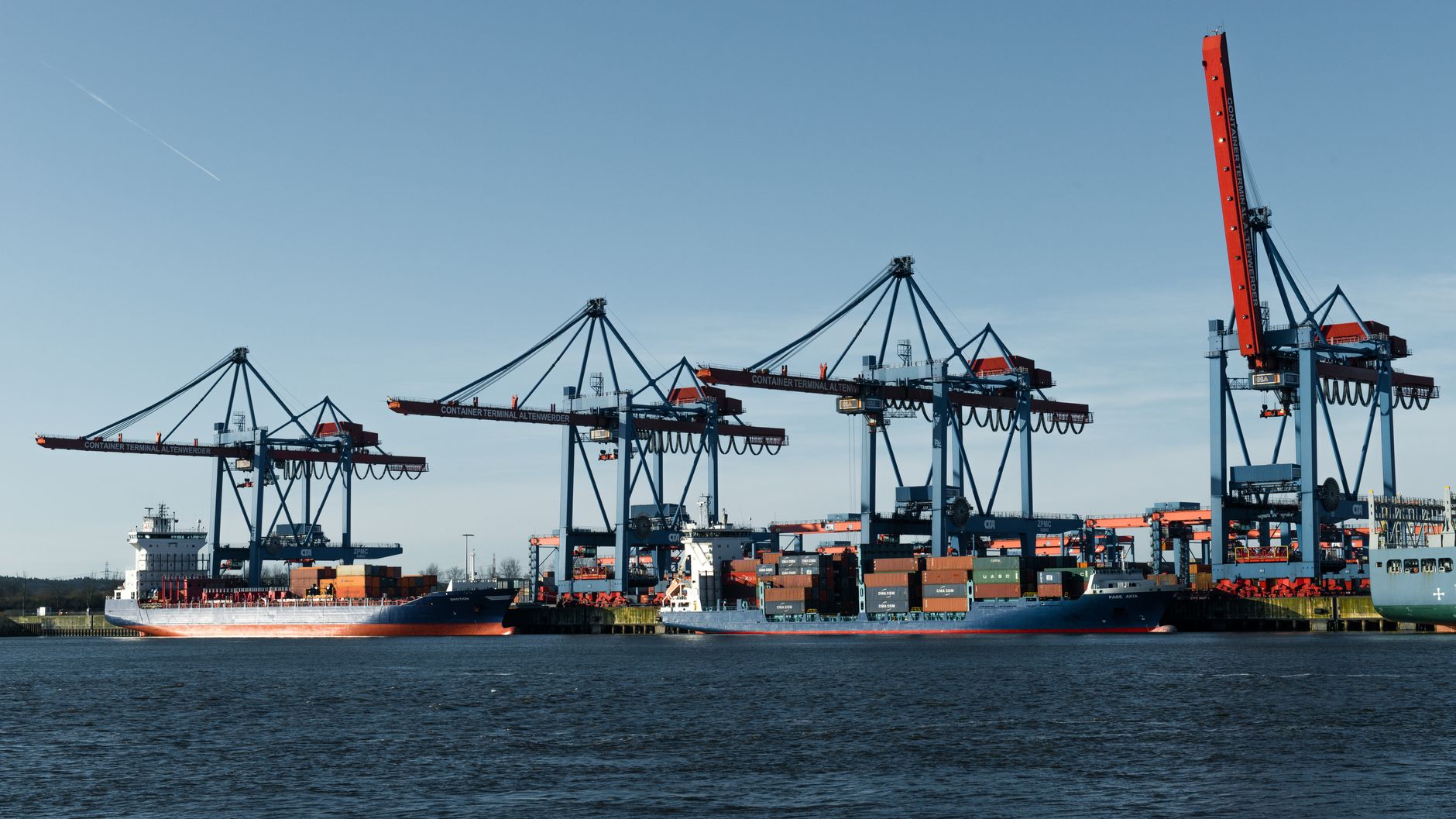
Sea‑Intelligence reports that 5 % of worldwide deep‑sea capacity – roughly 1.7 million TEU – is currently tied up by port delays and congestion, reshaping market dynamics.
Why the 5 % Absorption Figure Matters
Our analysts at Oceanic Express have been monitoring the Sea‑Intelligence report closely. The study quantifies that 5 % of global deep‑sea capacity – about 1.7 million TEU – is currently immobilised by port delays, congestion and ancillary disruptions. This represents a structural shift from the pre‑pandemic baseline of 2.2 % and signals a larger risk of vessel delays that directly erodes the effective shipping pool.
Historical Context: 2011‑2019 Stability vs. Post‑Pandemic Reality
Between 2011 and 2019 the container shipping industry operated with a relatively stable “tied‑up” rate of 2.2 %. Schedule reliability hovered at 70‑80 % and average vessel lateness was 3‑4 days. Sea‑Intelligence now records reliability at 60‑65 % and late arrivals settling around 5‑5.5 days. The longer delay windows mean vessels remain idle longer, amplifying the capacity that is effectively unavailable.
Geographic Hot‑Spots of Congestion
Asia continues to be the epicentre of port congestion. Shanghai is grappling with post‑typhoon recovery, while Singapore and Hong Kong report high TEU anchorages. In Europe, Rotterdam, Antwerp and Hamburg face persistent bottlenecks, and the Middle East adds further strain due to challenges in the Persian Gulf and Strait of Hormuz.
Implications for Carriers and Shippers
Carriers are increasingly wary of the growing new‑build orderbook, fearing overcapacity once the congestion eases. At the same time, the re‑opening of the Suez Canal and Red Sea routes promises to release capacity that was previously diverted around Africa. For shippers, the 5 % capacity loss translates into higher freight rates, longer transit times and the need for more robust contingency planning.
Quantitative Snapshot
- Active container vessels worldwide: >5,400
- Total deep‑sea capacity: >23 million TEU
- Inactive vessels: 89 (≈142,402 TEU)
- Capacity absorbed above baseline (2.8 %): ~1.0 million TEU
- Overall capacity “missing” due to delays: ~1.7 million TEU
What Oceanic Express Is Doing
At Oceanic Express LLP, we leverage real‑time visibility tools and a network of trusted agents across the congested ports to mitigate the impact of these delays. Our freight forwarding solutions include alternative routing, proactive slot booking and dynamic cargo consolidation, ensuring that our customers’ supply chains remain resilient despite the market turbulence.
We continue to advise our clients on risk‑adjusted pricing, inventory positioning and the strategic use of inland transport to bypass the most affected terminals. By staying ahead of the data, we help you convert the challenges of a 5 % capacity absorption into actionable opportunities.
For a deeper dive into how these trends affect your specific trade lanes, or to discuss tailored freight solutions, contact our expert team today.
Need expert guidance through today’s congested shipping environment? Reach out to Oceanic Express LLP – your trusted freight forwarding partner in Kolkata. Call us at +91‑9830041358 or +91‑9831034014 for a personalized consultation.