

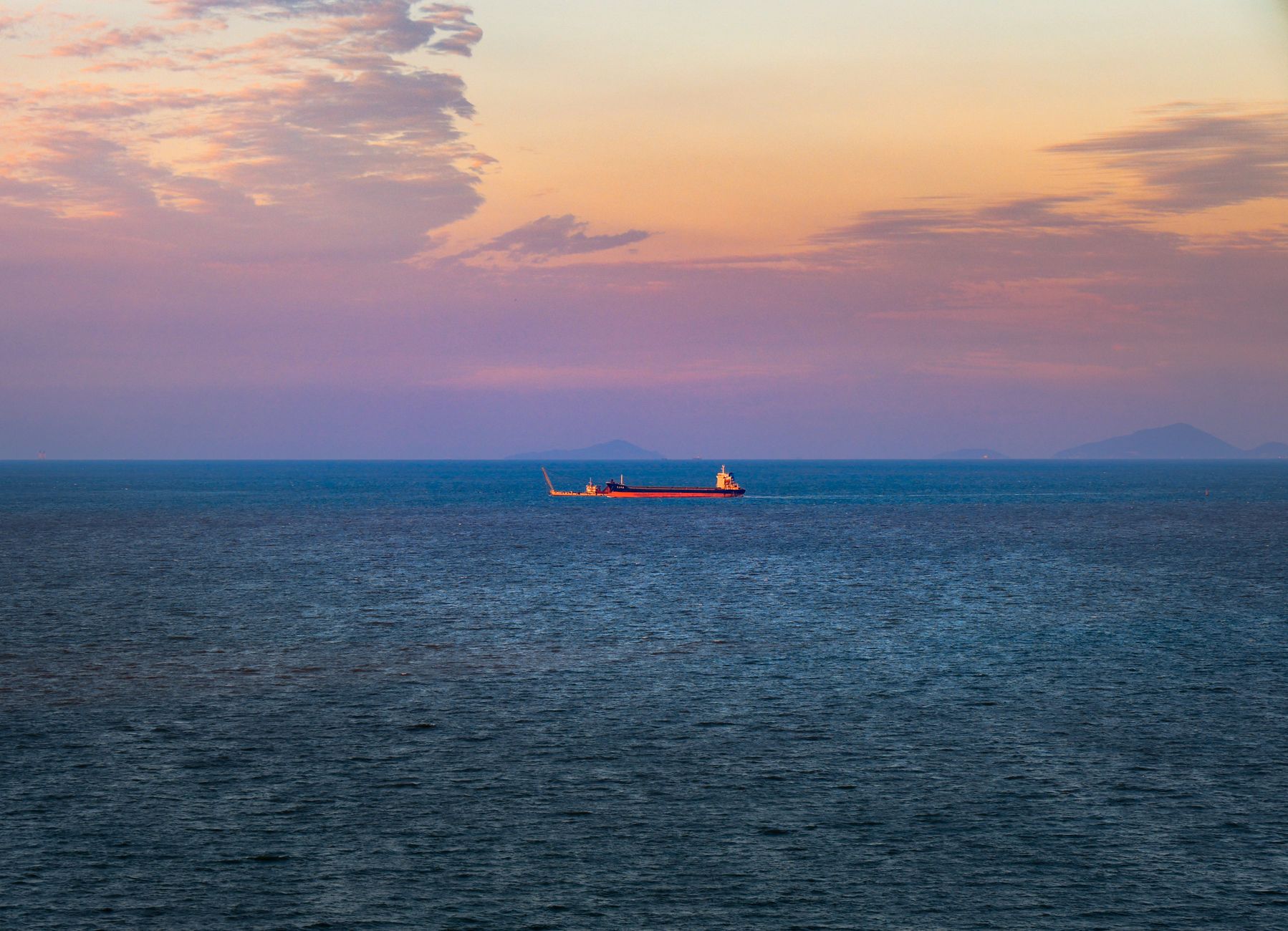
Escalating Red Sea and Hormuz frictions force Indian exporters onto longer routes, inflating costs, disrupting schedules and prompting a shift toward resilient “Just‑in‑Case” supply chains.
Double Chokepoint Pressure on Indian Exporters
The renewed escalation in the Red Sea, combined with persistent friction in the Strait of Hormuz, has created a severe double maritime chokepoint for global trade. Indian exporters, who traditionally rely on the shortest routes to Europe and the Middle East, are now forced to divert around Africa’s Cape of Good Hope. This detour adds 15‑20 days of sailing time, inflating fuel consumption, container rates and war‑risk insurance premiums.
Operational Ripple Effects Across the Supply Chain
Beyond the obvious freight‑bill surge, logistics experts warn that the threat extends to broader business continuity challenges. Vessel shortages, irregular schedules and port congestion are becoming the new normal. Indian firms are compelled to hold higher safety stocks, which raises inventory carrying costs and strains working capital.
Sector‑Specific Impact
Labour‑intensive export sectors such as textiles, agriculture and engineering goods are feeling the pressure most acutely. Declining profit margins and missed delivery deadlines in European markets are already being reported. Simultaneously, delayed imports of critical industrial components and agricultural inputs threaten to raise landed production costs.
From “Just‑in‑Time” to “Just‑in‑Case”
For decades, ocean shipping prioritized cost optimisation and hyper‑efficient “Just‑in‑Time” models. Persistent geopolitical conflicts, regional chokepoint closures and climate‑related risks have exposed the limits of single‑track networks. Global logistics operators are now shifting strategic focus toward structural supply‑chain resilience:
- Evaluating multi‑route options and dynamic diversions rather than the shortest path.
- Investing in real‑time tracking, AI‑driven demand forecasting and predictive analytics.
- Adopting “Just‑in‑Case” buffer strategies with higher safety inventory.
- Building multimodal flexibility to switch between sea, rail and road as conditions dictate.
Cost of Resilience and the Way Forward
While alternative sailings and safety inventory add a 12 %‑15 % operational premium, businesses are accepting these trade‑offs to safeguard continuity. According to the Exim News Service report, companies that embed risk mitigation into standard shipping operations are better positioned to protect global revenue and enterprise stability.
At Oceanic Express LLP, we are closely monitoring the evolving situation and helping our clients navigate the new reality. Our expertise in route optimisation, risk‑adjusted pricing and end‑to‑end supply‑chain visibility ensures that Indian exporters can maintain competitiveness even when traditional lanes are disrupted.
For a detailed risk assessment, tailored routing solutions, or to discuss how our “Just‑in‑Case” framework can protect your business, contact our trade‑specialist team today.