

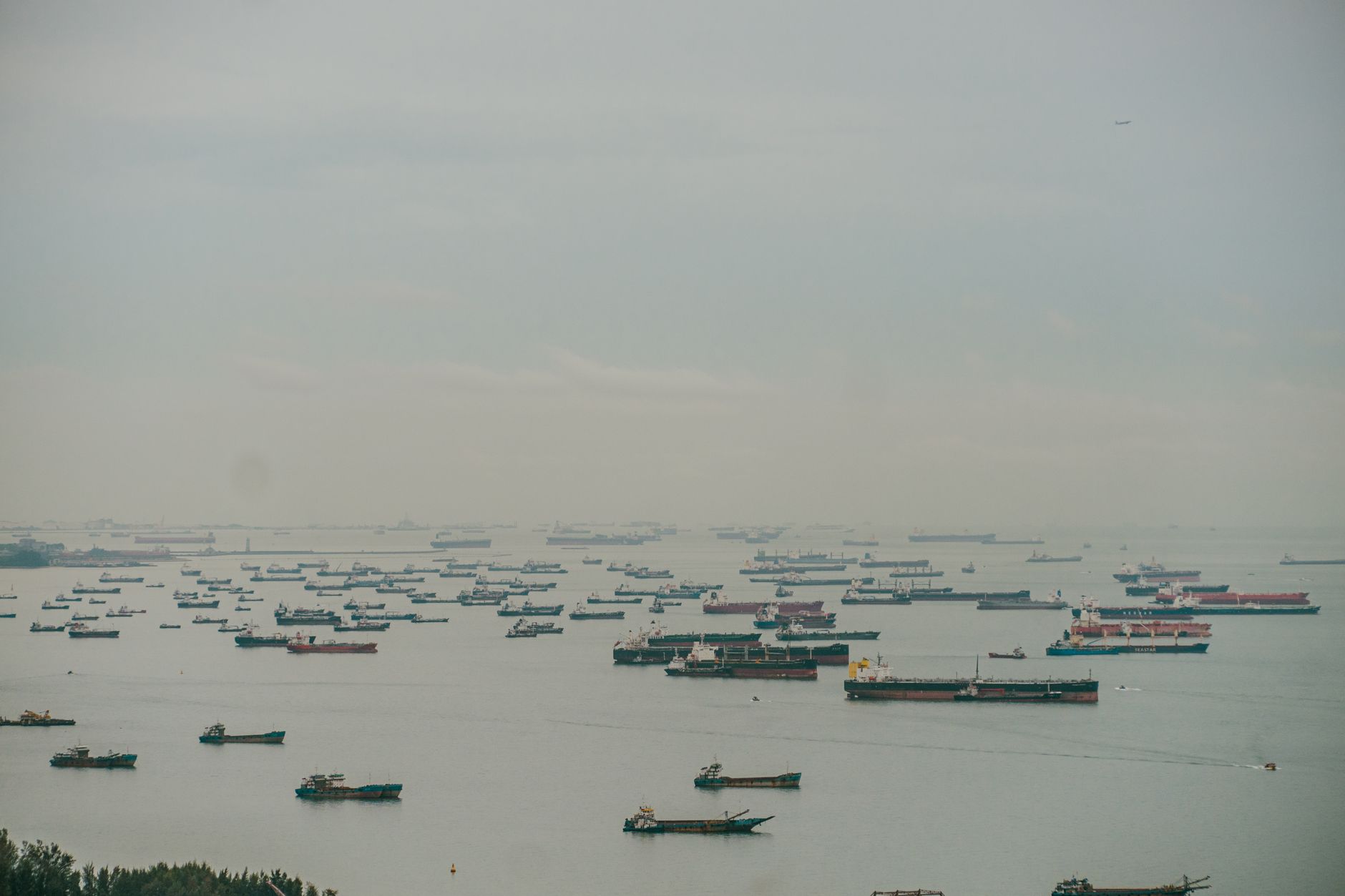
The Red Sea disruptions are severely impacting global trade and freight logistics, with significant consequences for India’s exports to Europe.
Introduction to the Red Sea Disruptions
The Red Sea region has become a focal point of concern due to the skirmishes that have developed around it, involving several West Asian countries and non-state actors. The region is highly critical for global trade as the gateway to the Suez Canal, the fastest route for freight movement from Asia to Europe, through which about 12% of global shipping traffic passes.
Impact on India’s Trade
India is heavily reliant on the Red Sea for approximately 80% of its exports to Europe. The ongoing Russia-Ukraine conflict has already slowed India's exports to the European Union, which contributes over 15% to its total goods exports. Additionally, environmental measures such as the carbon border adjustment mechanism and the EU's deforestation law could further impact India's exports.
Consequences of the Disruptions
The disruptions have led to delays of 2-3 weeks for most ships with India as a destination or as an origination point. The combined impact of increased freight costs, insurance premiums, and longer transit times could significantly raise the prices of imported goods. Shippers are rerouting consignments through the much longer Cape of Good Hope, resulting in delays of 14-20 days with concomitant higher freight and insurance costs.
Kolkata to Rotterdam freight, for example, has risen from USD 500 to USD 4,000 due to the Red Sea crisis.
Global Response to the Crisis
Continuous discussions are taking place within the government to take stock of the scale of disruptions and to suggest measures to counter those. An inter-ministerial meeting was chaired by the Ministry of Commerce and Industry Secretary Sunil Barthwal aimed at finding measures to tackle the impact on trade due to the crisis.
- The Ministry of Defence has focused on improving surveillance in the Red Sea region.
- The Ministry of External Affairs is holding diplomatic negotiations with Iran on the crisis.
- External Affairs Minister S Jaishankar has expressed concern over the threats to the safety of maritime commercial traffic in the region.
- The European Central Bank President Christine Lagarde has highlighted the potential return of supply bottlenecks as a critical area of concern.
Impact on Global Trade and Economy
The disruptions in the Red Sea are having a profound impact on global industry players, and key figures from the shipping sector and international banks have shared their perspectives on the severity of these challenges. The crisis has led to a 1.3% decline in international trade, reflecting a tumultuous year.
Low-value Indian exports, particularly in agriculture and textiles, are expected to bear the brunt of the Red Sea region's disruptions. Freight rates have surged by up to 600%, prompting Indian exporters to suggest the establishment of a government-owned shipping line of global repute.
In conclusion, the Red Sea disruptions are severely impacting global trade and freight logistics, with significant consequences for India’s exports to Europe. As a leading freight forwarding company in Kolkata, India, Oceanic Express LLP is committed to providing our clients with the latest updates and insights on the crisis. If you have any questions or concerns about the impact of the Red Sea disruptions on your business, please do not hesitate to contact us at +91-9830041358 / +91-9831034014.