

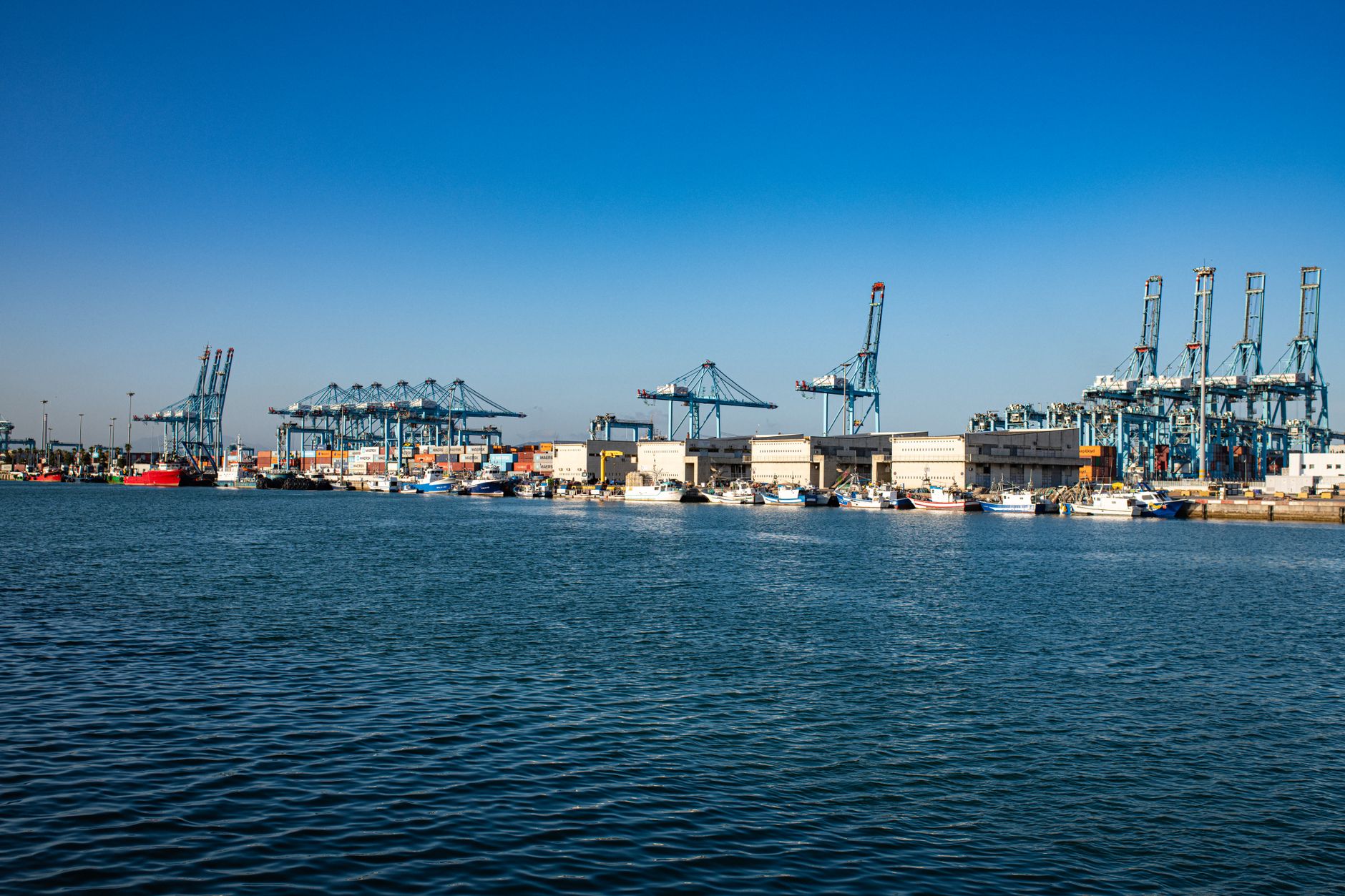
Rising fuel costs are significantly impacting the freight forwarding industry, affecting project cargo, heavy machinery transport, and ODC transport.
Introduction to Rising Fuel Costs
Rising fuel costs have become a significant concern for the freight forwarding industry, affecting various aspects of logistics, including project cargo, heavy machinery transport, and ODC transport. The increase in fuel prices has led to higher operational costs, impacting the overall efficiency and profitability of freight forwarding companies.
Impact on Project Cargo and Heavy Machinery Transport
The rising fuel costs have particularly affected the project cargo and heavy machinery transport sectors, as these require specialized equipment and vehicles that consume large amounts of fuel. The increased costs have led to higher freight rates, making it challenging for companies to maintain their profit margins. Furthermore, the rising fuel costs have also affected the customs clearance process, as higher fuel prices have led to increased costs for transporting goods to and from ports.
Effects on Air Freight and Industrial Logistics
The rising fuel costs have also impacted the air freight industry, as airlines have increased their fuel surcharges to compensate for the higher fuel prices. This has led to higher air freight rates, making it more expensive for companies to transport goods by air. Additionally, the rising fuel costs have affected industrial logistics, as companies are now looking for more fuel-efficient ways to transport their goods, such as using alternative modes of transportation or optimizing their supply chain operations.
Strategies to Mitigate the Impact of Rising Fuel Costs
- Optimizing routes and schedules to reduce fuel consumption
- Implementing fuel-efficient technologies, such as GPS tracking and route optimization software
- Using alternative modes of transportation, such as rail or sea freight
- Renegotiating contracts with fuel suppliers to secure better rates
- Investing in fuel-efficient vehicles and equipment
According to a recent study, the rising fuel costs have led to a 15% increase in freight rates, affecting the profitability of freight forwarding companies. However, by implementing fuel-efficient strategies, companies can reduce their fuel consumption and mitigate the impact of rising fuel costs.
Conclusion and Recommendations
In conclusion, the rising fuel costs have significantly impacted the freight forwarding industry, affecting project cargo, heavy machinery transport, air freight, and industrial logistics. To mitigate the impact of rising fuel costs, companies should consider implementing fuel-efficient strategies, such as optimizing routes and schedules, using alternative modes of transportation, and investing in fuel-efficient vehicles and equipment. By taking these steps, companies can reduce their fuel consumption, lower their operational costs, and maintain their profitability in the face of rising fuel costs.
If you are looking for a reliable and efficient freight forwarding company to help you navigate the challenges of rising fuel costs, look no further than Oceanic Express LLP. With our expertise in project cargo, heavy machinery transport, ODC transport, customs clearance, air freight, and industrial logistics, we can help you find the most cost-effective and fuel-efficient solutions for your logistics needs. Contact us today at +91-9830041358 / +91-9831034014 to learn more about our services and how we can help you mitigate the impact of rising fuel costs.