

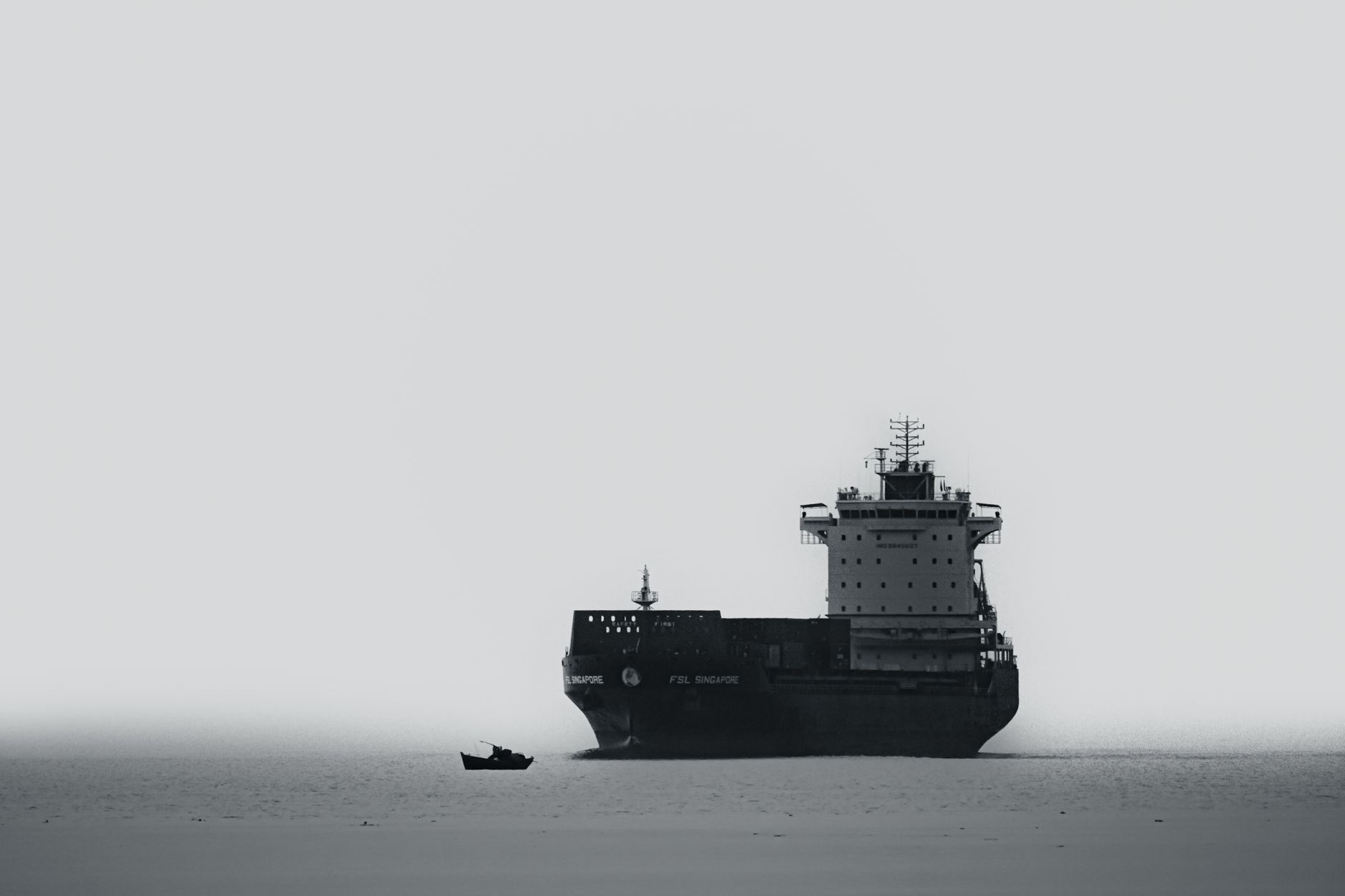
Russian shipping companies are taking measures to protect themselves from drone attacks in the Black Sea region.
Introduction to the Drone Threat in the Black Sea Region
Russia-linked shipping companies are scrambling to reduce their exposure to Ukraine's rapidly expanding maritime campaign across the Black Sea and Sea of Azov. The latest evidence comes from the 28-year-old suezmax Caruzo, which was photographed passing Istanbul carrying around 1 million barrels of Russian crude, with netting covering the accommodation block and unusual cage-like structures suspended over the aft section of the hull.
Measures to Protect Against Drone Attacks
TankerTrackers.com believes the netting is intended to protect the superstructure from aerial drones, while the hanging structures appear designed to provide stand-off protection around the engine-room area against uncrewed surface vessels. These measures are part of a broader effort by Russian shipping companies to adapt to the drone threat in the Black Sea region.
- Route planning: Russian-flagged tankers are taking alternative routes, such as hugging the Turkish coast, to reduce their exposure to drone attacks.
- Anti-drone cages: Some vessels are being equipped with anti-drone cages to protect against aerial drones.
- Armed guards: Russian military and transport authorities are discussing plans to put military personnel aboard merchant vessels operating from the Sea of Azov.
- Convoy proposals: Patrol-boat escorts and convoying have also been considered to extend military protection to commercial traffic.
Ukraine's Unmanned Systems Forces claims to have hit more than 200 vessels across the Black Sea and Sea of Azov since launching its latest campaign in early July.
Impact on Shipping Operations
The drone threat has significantly impacted shipping operations in the Black Sea region. Russia has sharply restricted Sea of Azov shipping, and grain previously moving through Azov ports has been redirected by road and rail towards deep-sea Black Sea terminals. Russian state shipping company FESCO and Turkish operator Kalyon have temporarily suspended Black Sea services after a string of strikes.
Conclusion and Future Outlook
The situation in the Black Sea region remains volatile, and shipping companies must continue to adapt to the evolving threat landscape. As the conflict continues, it is likely that we will see further innovations in drone technology and countermeasures. At Oceanic Express LLP, we are committed to providing our clients with the latest updates and insights on the situation, and our team is available to discuss how we can support your shipping needs. For more information, please contact us at +91-9830041358 or +91-9831034014.