

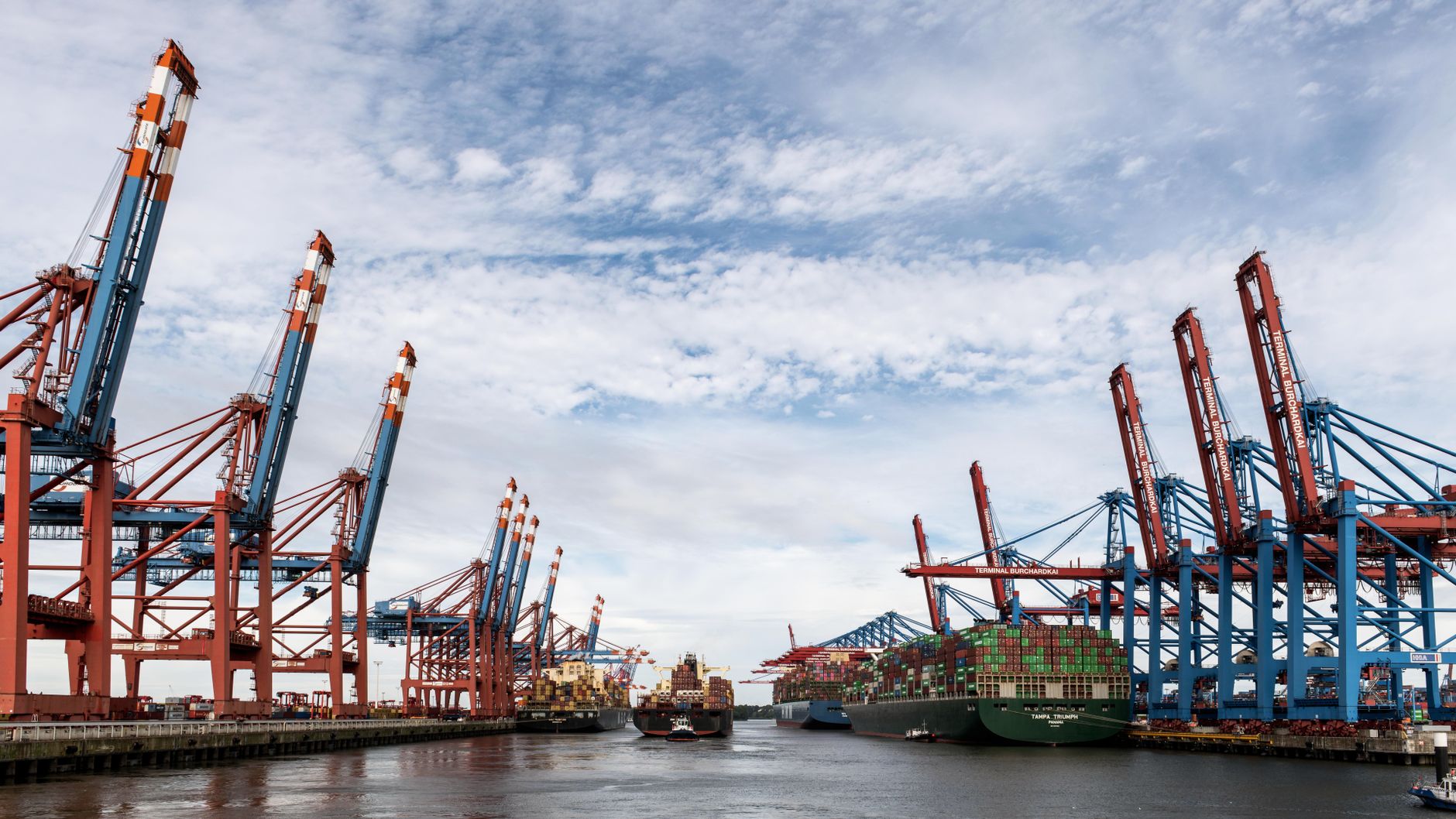
Recent tanker attacks in the Strait of Hormuz have triggered unprecedented shipping delays, forcing freight forwarders to reroute cargo and reassess risk across global supply chains.
Background: Why the Strait of Hormuz Remains a Critical Chokepoint
The Strait of Hormuz, a 21‑nautical‑mile waterway linking the Persian Gulf with the Gulf of Oman, handles roughly 20 % of the world’s petroleum shipments and a significant share of containerised cargo bound for Asia, Europe and the Americas. Its strategic importance means any disruption reverberates through global freight rates, vessel schedules and insurance premiums.
Recent Attacks and Immediate Operational Impact
In the past fortnight, two commercial tankers were targeted by hostile small‑boat actions near the southern entrance of the strait. Although both vessels survived, the incidents prompted the International Maritime Organization (IMO) to issue a temporary “high‑risk” advisory. As a result:
- Major carriers have instituted mandatory speed reductions of 5‑10 knots.
- Port call windows at Dubai, Jebel Ali and Muscat have been extended by 12‑24 hours.
- Charter rates for VLCCs and Suezmax vessels have spiked by 15‑20 %.
- Shippers are increasingly requesting alternative routing via the Cape of Good Hope or the Suez Canal, despite longer transit times.
Risk Management Strategies Adopted by Freight Forwarders
Oceanic Express LLP, together with industry peers, has activated a multi‑layered response plan:
- Dynamic rerouting: Leveraging our digital tracking platform, we evaluate real‑time weather, security alerts and vessel availability to propose the most time‑efficient alternative lanes.
- Enhanced cargo insurance: We negotiate war‑risk clauses with insurers, ensuring coverage for potential loss or damage arising from hostile actions.
- Stakeholder communication: Daily briefings with ship owners, port agents and customers keep all parties informed of schedule adjustments.
- Inventory buffering: For critical commodities, we advise clients to increase safety stock at regional hubs such as Chennai and Visakhapatnam.
Long‑Term Implications for Global Freight Routes
The sustained threat environment may accelerate a structural shift in maritime logistics:
- Greater reliance on the Suez Canal corridor, prompting capacity upgrades at Mediterranean ports.
- Increased investment in cold ironing and on‑shore refuelling to reduce exposure to volatile fuel price spikes.
- Expansion of inland multimodal hubs in India, enabling faster trans‑shipment to the Indian Ocean without traversing the Gulf.
- Heightened demand for real‑time security intelligence services that integrate satellite monitoring with AIS data.
How Oceanic Express LLP Is Supporting Clients Through the Crisis
Our Kolkata‑based operations centre has mobilised a dedicated task force to monitor the Hormuz situation 24/7. By combining local expertise with our global network, we provide:
- Proactive rerouting recommendations that balance cost and transit time.
- Negotiated freight contracts that lock in rates before further market volatility.
- Customs clearance acceleration at Indian ports to offset any downstream delays.
- Transparent reporting dashboards accessible to clients via our client portal.
We understand that every day of delay translates into lost revenue for manufacturers, retailers and end‑consumers. Our commitment is to keep your supply chain moving, even when geopolitical tensions threaten traditional pathways.
For a detailed risk assessment or to discuss contingency planning for your shipments, contact our expert team today.
If you need immediate assistance navigating the current Hormuz disruptions, reach out to Oceanic Express LLP. Our specialists are on standby at +91-9830041358 or +91-9831034014 to design a resilient shipping solution for your business.