

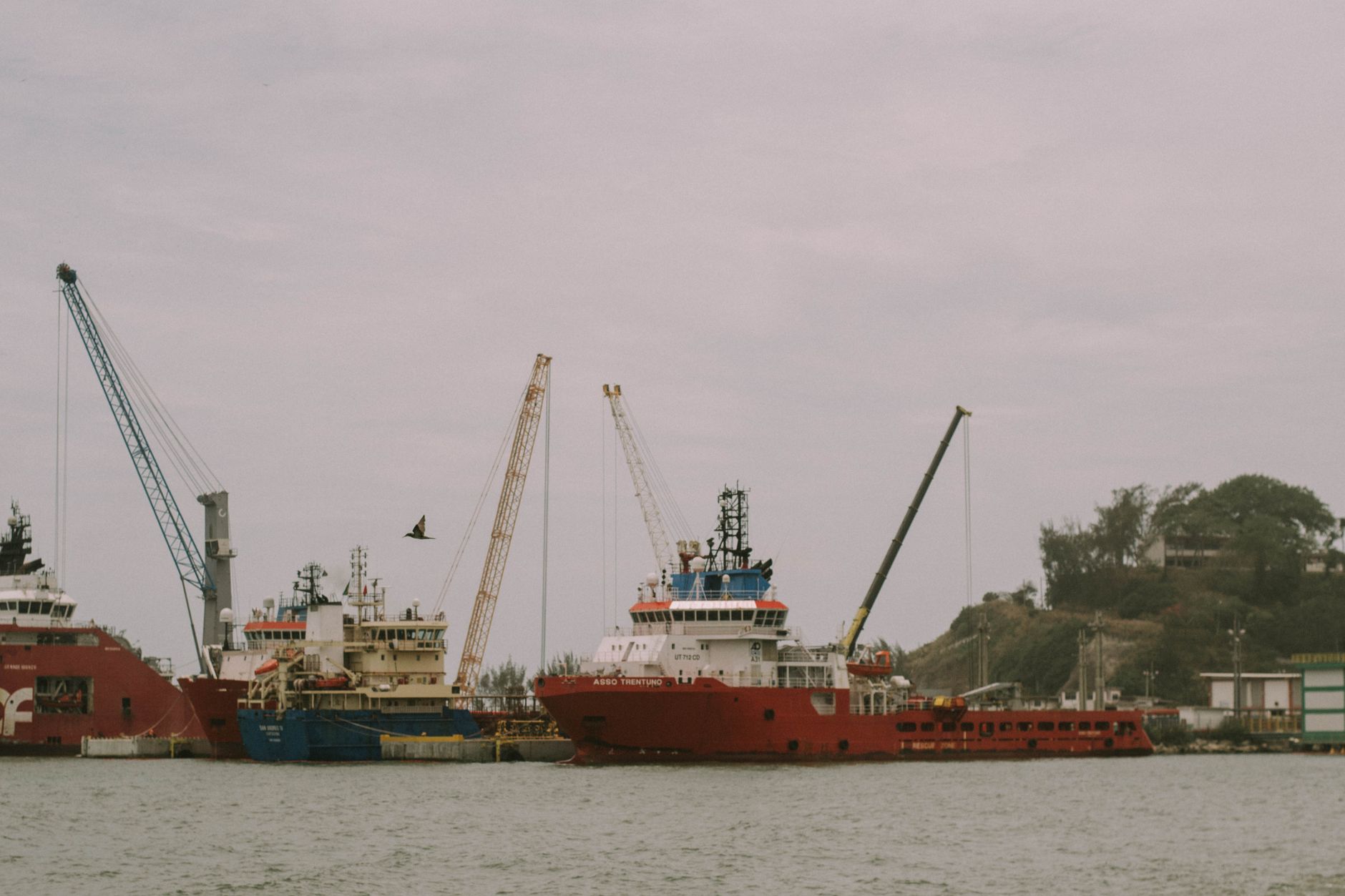
Major carriers such as Maersk and MSC flag mounting congestion at Indian ports and inland trucking bottlenecks, warning that freight rates could climb sharply and delivery schedules may be jeopardised.
Why Indian Ports Are Under Scrutiny
In its latest earnings release, A.P. Møller‑Mærsk (Maersk) highlighted that congestion at major Indian gateways—especially Kolkata, Chennai, and Mundra—has risen sharply since the second quarter of 2026. The carrier attributes the slowdown to a combination of labor shortages, outdated handling equipment, and a surge in container volumes linked to the rebound in Indian imports of electronics and pharmaceuticals.
Truck‑ing Bottlenecks Add a New Layer of Risk
Simultaneously, leading container lines such as MSC and CMA CGM warned that inland trucking constraints are amplifying port delays. The shortage of compliant refrigerated trucks, compounded by stricter emission norms in West Bengal, has stretched the average dwell time for temperature‑sensitive cargo from 2 days to over 4 days in some cases.
Potential Impact on Freight Costs
Both Maersk and MSC have signalled that the cost pressure will be passed on to shippers. The main cost drivers identified are:
- Higher container detention and demurrage charges due to extended dwell times.
- Premiums for guaranteed slots at congested terminals.
- Increased inland haulage rates as trucking firms charge for scarce refrigerated capacity.
- Risk premiums embedded in contract rates to hedge against unpredictable delivery windows.
Operational Strategies for Importers and Exporters
Our team at Oceanic Express LLP recommends a proactive approach to mitigate these emerging risks:
- Advance slot booking: Secure terminal slots at least 4‑6 weeks ahead of the intended sailing date.
- Diversify inland carriers: Maintain relationships with multiple trucking providers to avoid single‑point failures.
- Leverage rail corridors: Where feasible, shift part of the inland movement to the East Coast Rail Link, which is less affected by road congestion.
- Consider flexible delivery windows: Build buffer periods into your supply‑chain schedule to accommodate unexpected delays.
What This Means for the Indian Trade Corridor
The convergence of port congestion and trucking shortages threatens to erode the cost‑competitiveness that has made the Indian trade corridor a preferred route for global manufacturers. If freight rates climb as projected, downstream industries—from automotive to consumer goods—could see margin compression, prompting a possible shift to alternative gateways such as Sri Lanka or the Gulf.
At Oceanic Express LLP, we continuously monitor these dynamics and work closely with our carrier partners to secure the best possible terms for our customers. Our Kolkata hub, strategically located near the Hooghly River basin, enables us to offer faster customs clearance and dedicated inland freight solutions that help counteract the broader market volatility.
We encourage all stakeholders to stay informed, review their logistics contracts, and engage with a trusted freight forwarder who can navigate the evolving landscape.
For a detailed consultation on how these port and trucking challenges may affect your specific supply chain, contact Oceanic Express LLP today at +91‑9830041358 or +91‑9831034014. Our experts are ready to design a resilient, cost‑effective shipping strategy tailored to your needs.