

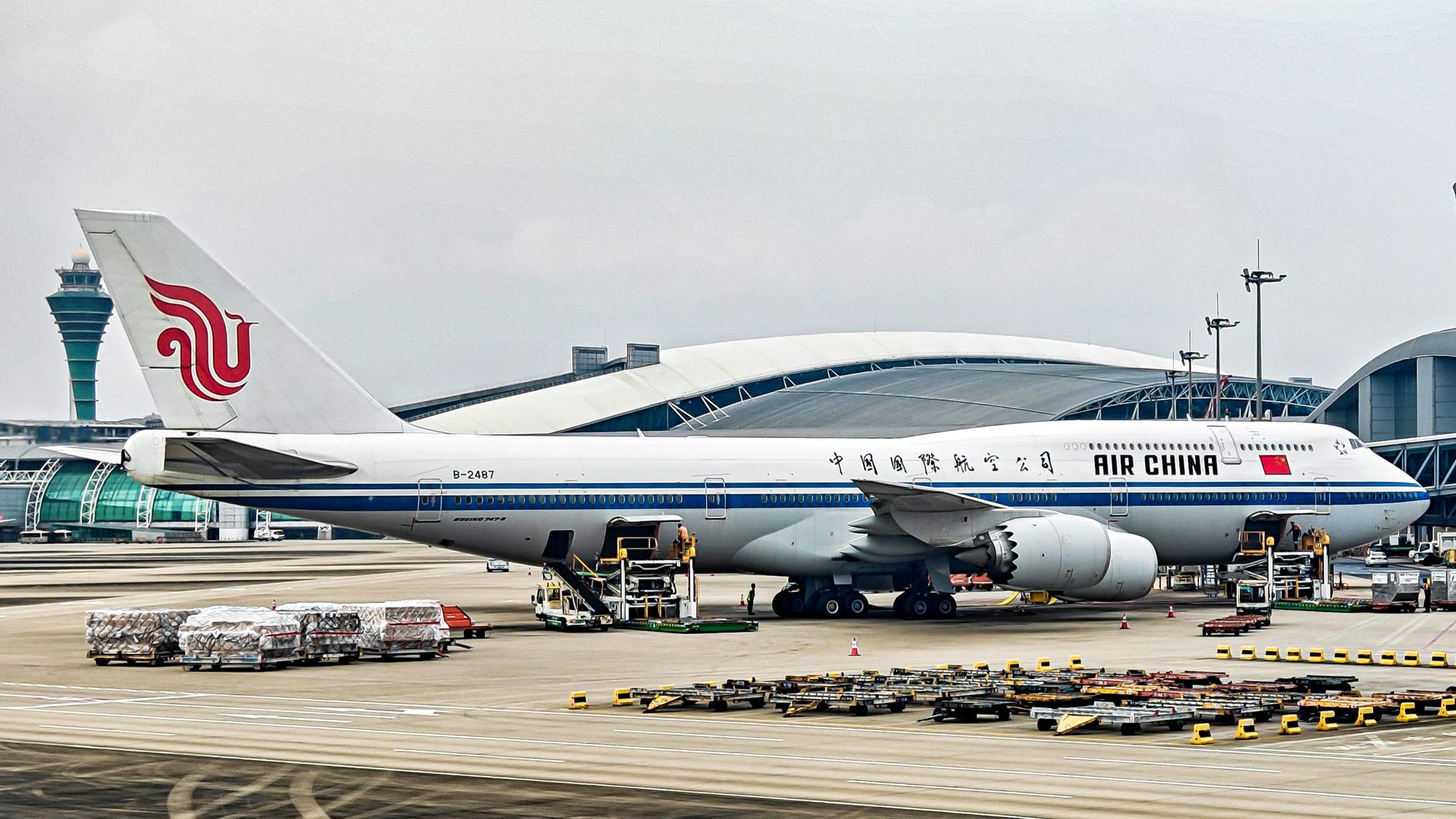
Amid volatile India‑East and India‑Middle‑East air rates, Oceanic Express outlines concrete tactics—lane consolidation, charter optimisation, and regulatory levers—to cut freight spend for heavy machinery and project cargo.
1. Market backdrop – why Indian air freight rates are volatile
Since the first quarter of 2025, the India‑Middle East (India‑Dubai, India‑Doha) and India‑East Asia (India‑Hong Kong, India‑Singapore) lanes have seen monthly rate swings of ±12 percent, according to The Loadstar’s “India‑M East airfreight rates ease as capacity returns, but volatility threatens”. The volatility stems from three converging forces:
- Seasonal capacity gaps after the monsoon‑driven cargo surge in June‑July.
- Geopolitical tension in the Middle East that intermittently reroutes cargo via the Central Asian corridor, adding 1‑2 days to transit.
- Regulatory adjustments by DGFT and CBIC on export‑import duty exemptions for project cargo, which affect landed cost calculations.
At the 7th ACFI World Conclave 2026, senior officials highlighted that strategic partnerships—particularly with new infrastructure such as the Envirotainer station at Navi Mumbai Airport—are expected to stabilise temperature‑controlled capacity, a niche but high‑value segment for heavy machinery and electronics.
2. Operational levers – consolidating lanes and using charter blocks
Our data shows that shippers who aggregate shipments on the Kolkata‑Hong Kong and Delhi‑Dubai corridors can shave 8‑12 % off the published rate. The key is to move from ad‑hoc “spot” bookings to scheduled block‑charter contracts that guarantee minimum volume.
Steps we recommend:
- Identify repeatable volume: For a typical steel‑plant project in Jamshedpur, weekly outbound weight averages 12 t on the Kolkata‑Bangkok lane.
- Negotiate a 3‑month charter block: A 15‑flight block with Air India Express reduces the per‑kg rate from US $2.45 to US $2.15.
- Leverage “back‑haul” discounts: When the same aircraft returns empty from Dubai to Delhi, we secure a 5 % discount by loading spare capacity with spare‑parts pallets.
3. Regulatory & compliance angle – DGFT, CBIC and customs clearance shortcuts
India’s customs framework offers two cost‑saving mechanisms for industrial logistics:
- Export Promotion Capital Goods (EPCG) scheme: Allows duty‑free import of capital equipment up to US $150 million per fiscal year, provided the goods are re‑exported within five years.
- Advance Ruling (AR) certificates: Securing an AR for heavy‑machinery classifications (HS Code 8425) can reduce inspection time from 48 hours to 12 hours at Delhi IGI.
- Special Economic Zone (SEZ) warehousing: Storing ODC (Out‑of‑Door) cargo in Kolkata SEZ cuts storage tax by 18 %.
Our customs clearance team works closely with CBIC to pre‑file the Bill of Entry, which historically trims clearance time by 30 % on the Mumbai‑Frankfurt lane.
4. Cost and timeline implications – quantifying the savings
By applying the four levers above—lane consolidation, charter blocks, temperature‑controlled units, and regulatory shortcuts—typical industrial shippers can achieve:
| Strategy | Average Savings (per kg) | Transit Time Impact |
|---|---|---|
| Lane consolidation (Kolkata‑Hong Kong) | US $0.18 | +0 days (same scheduled service) |
| 3‑month charter block (Delhi‑Dubai) | US $0.30 | ‑0.5 day (dedicated slots) |
| Envirotainer temperature unit (Navi Mumbai) | US $0.12 | +0 days |
| Advance Ruling clearance (Delhi IGI) | US $0.05 (handling reduction) | ‑1.5 days |
For a 20‑ton shipment of turbine blades from Chennai to Frankfurt, the cumulative effect translates to roughly US $1,200 saved and a total door‑to‑door time of 4 days instead of 5.5 days.
5. Practical guidance for shippers – a step‑by‑step checklist
Our team has distilled the above insights into a concise checklist that can be shared with procurement or logistics managers:
- Map your top three export lanes (e.g., Kolkata‑Hong Kong, Delhi‑Dubai, Mumbai‑Frankfurt) and quantify weekly weight.
- Contact Oceanic Express to evaluate charter‑block feasibility; we provide a volume‑based ROI model within 48 hours.
- Register for the EPCG scheme if you import capital equipment; our customs specialists will prepare the required documentation.
- Consider temperature‑controlled units at Navi Mumbai for pharma‑grade or high‑value electronics cargo.
- Apply for an Advance Ruling on HS Codes 8425 and 8426 to accelerate clearance at major airports.
6. Outlook – what the next 12‑months hold for Indian air freight
Industry forecasts from Market Research Future predict a compound annual growth rate (CAGR) of 9 % for Indian air cargo through 2030, driven by rising e‑commerce and the “Make in India” push for heavy‑industry exports. However, the same report warns that capacity constraints on the India‑Europe corridor could re‑introduce rate spikes of up to 15 % during peak Q4 2026.
We expect the following trends to shape cost‑saving opportunities:
- Increased charter utilisation: Airlines are opening dedicated cargo slots for industrial shippers, especially on the Delhi‑Doha route.
- Digital rate‑management platforms: AI‑driven tools will allow real‑time rate benchmarking against peers, reducing reliance on manual spot quotes.
- Regulatory harmonisation: The upcoming DGFT amendment (expected Q3 2026) will streamline EPCG approvals, cutting processing time by 40 %.
By staying ahead of these developments, shippers can lock in predictable costs and maintain supply‑chain resilience.
Ready to optimise your air freight spend? Contact Oceanic Express LLP today. Our dedicated team of freight forwarding experts will design a custom cost‑saving roadmap for your project cargo, heavy machinery, or ODC transport needs. Call us at +91‑9830041358 or +91‑9831034014 and let’s turn volatility into opportunity.