

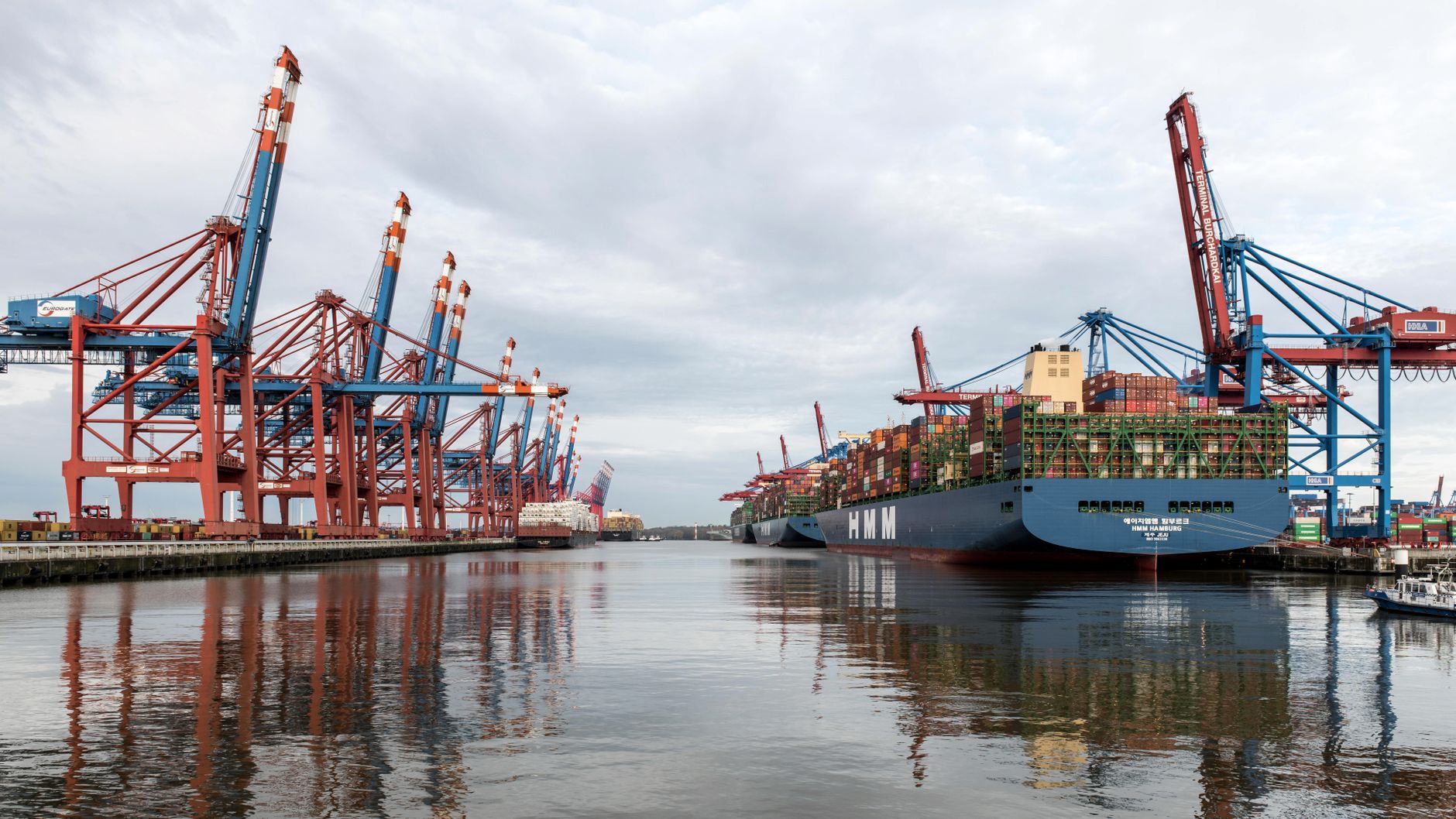
Typhoon Bavi and emerging Typhoon Dolphin threaten Shanghai port operations, causing vessel bunching and yard congestion.
Typhoon Bavi: The Primary Driver of Disruptions
The recent typhoon disruptions in Shanghai port operations have been primarily driven by Typhoon Bavi, which tore through the East China Sea and coastal regions earlier. Despite the storm having passed, its impact has left deep structural scars on port operations, resulting in prolonged terminal closures, vessel bunching, and high yard utilization.
Emerging Threat: Typhoon Dolphin
Typhoon Dolphin, the 13th typhoon of the season, is being actively monitored by meteorological authorities. The storm is currently tracking near the Ryukyu Islands and is projected to enter or directly impact the East China Sea and coastal areas around the Yangtze River estuary, threatening Shanghai and Zhejiang. Depending on its final track, it could trigger preventative port closures all over again, just as terminals are trying to dig themselves out of the Bavi backlog.
Market Reaction and Impact on Global Freight Rates
The persistent weather disruptions and subsequent blank sailings implemented by carriers to manage schedules have resulted in heavily constrained effective capacity out of China. This artificial tightening of supply, amid steady cargo demand, has led to a continuous increase in spot freight rates, such as those on the Transpacific and other major lanes.
Key Factors Contributing to the Disruptions
- Prolonged terminal closures: Key container terminals in Shanghai and neighboring Ningbo were forced to suspend operations and clear berths as safety precautions.
- Vessel bunching: Once the ports reopened, a massive queue of delayed ships arrived simultaneously, overwhelming berth availability and crane productivity.
- High yard utilization: With boxes unable to move smoothly through landside connections or feeder networks during and after the storm, yard density spiked, causing continuous rolling delays for outbound cargo.
- Blank sailings: Carriers have implemented blank sailings to manage schedules and mitigate the impact of the disruptions.
Key Fact: The cumulative fallout from Typhoon Bavi and the emerging threat of Typhoon Dolphin has resulted in a complex and challenging situation for carriers, terminal operators, and shippers alike.
Navigating the Challenges and Finding Solutions
In light of these disruptions, it is essential for shippers and carriers to work closely together to navigate the challenges and find solutions. This includes closely monitoring the situation, adjusting schedules and routes as needed, and exploring alternative options to minimize the impact of the disruptions.
If you are concerned about the impact of the typhoon disruptions on your shipments, our team at Oceanic Express LLP is here to help. With our expertise and experience in ocean freight, we can provide you with the guidance and support you need to navigate these challenging times. Please do not hesitate to contact us at +91-9830041358 or +91-9831034014 to discuss your specific needs and requirements.